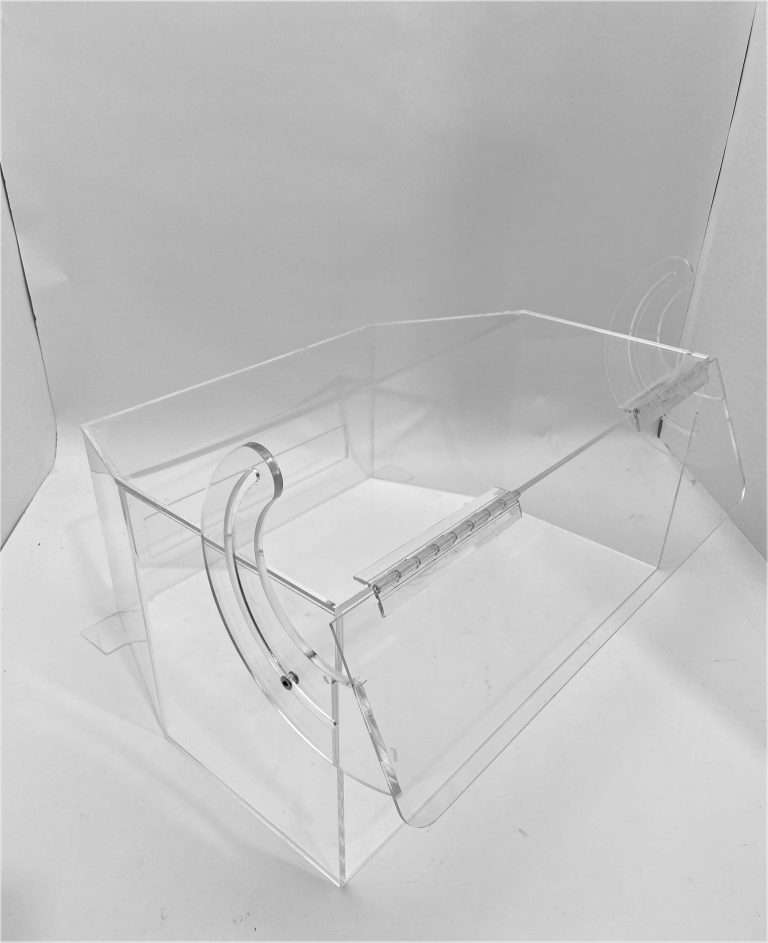
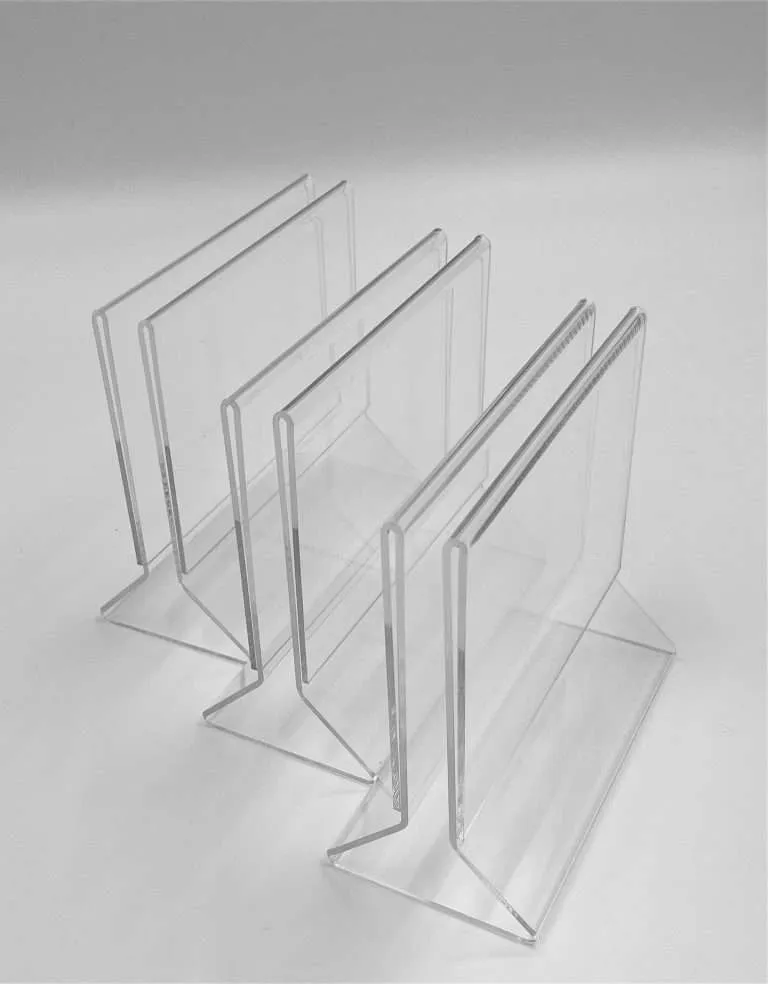
Every specification on a trade show exhibit is paid for once — except one. Materials, finish, graphics: one invoice each. Weight invoices forever. Every pound in the crates is billed on the outbound freight, again on drayage into the hall, again on drayage out, and again on the freight home — then the whole cycle repeats at the next show, and the next, for every year the fleet is in service. Anyone who has actually read a drayage bill knows the feeling; material-handling charges at show sites are calculated on weight, and they arrive at every single show. Weight is the one exhibit spec with a recurring invoice attached, which makes it the highest-leverage line on the drawing — and the one most exhibit specs never state at all.
Where the weight actually hides
Fleet weight rarely comes from one heavy decision. It accumulates from defaults:
- Thickness chosen by guesswork. Panels specified a size up “to be safe,” on every panel, in every crate. Thickness should come from the span and the load — the sheet’s stiffness at a given span is calculable — not from unease. The safety instinct is right; the place to spend it is the math, not the material.
- Solid where hollow serves. Counters, plinths, and risers built as solid mass when ribbed or hollow construction delivers the same stiffness and presence at a fraction of the pounds. Presence is a visual property; the shopper’s eye cannot weigh the plinth.
- Overbuilt crates. The overbuilt road case around a light component doubles the billable weight of that component for life. Crate design is exhibit design — the crate rides every invoice the exhibit does.
- Ballast that travels. Stability weight built into components and then shipped to every city — when it could be arranged locally, designed out with geometry (a wider footprint beats a heavier base), or concentrated in one deliberately dense part instead of distributed through everything.
Removing pounds without removing stiffness
The design moves are the same ones every weight-critical field uses. Geometry over mass. Ribs, returns, and formed shapes buy rigidity structurally instead of buying it in thickness — a folded or formed profile is dramatically stiffer than the flat sheet it came from. Thickness by role. Spec each component for its actual job — the structural deck and the decorative face do different work and deserve different sheets. Material by component. Within a single build, each part can carry the material its role wants — the clear presentation faces in acrylic, other roles in whatever serves them lightest; the components conversation is exactly where a fabricator adds weight judgment for free.
The weight budget as an RFQ input
Here is the practical move that changes outcomes: give the fabricator a target shipped weight per crate at RFQ time, the same way you give dimensions and finish. Stated up front, the target drives thickness, construction, and crating decisions while they are still free to make — every trade-off gets weighed (literally) as the design develops. Retrofitting lightness into a finished design mostly fails: by then the geometry is fixed, the crates are built, and the only lever left is regret. A weight line in the RFQ costs one sentence and pays at every show the fleet ever attends. It also sharpens the schedule conversation — shipped weight and crate count are facts your production planning and your show logistics both consume.
The floor, stated honestly
The discipline has a boundary, and it belongs in the post rather than in fine print: stability and durability set the floor. The exhibit must stand solidly under a visitor’s lean and survive its full calendar of load-outs — that floor is worth more than any pound saved above it. The goal is never the lightest possible exhibit; it is the lightest exhibit that survives dozens of assemblies and stands solidly in a crowd. Design to the floor, not below it — and then stop adding pounds the invoices will collect on forever. Component builds that carry this thinking are throughout the project gallery, and a crate-weight target is a welcome line on any drawing that reaches the quote desk.