An exhibition opening is one of the few deadlines in fabrication that is truly immovable: the date is public, the invitations are printed, and the press preview happens whether the casework arrived or not. That makes exhibition work a backward-planning exercise — the only sound schedule starts at opening night and walks toward today. Here is the template, with the two floats that most often get forgotten and the honest word about which scheduling commitments actually guarantee a date.
The back-plan, step by step
Each arrow is “must happen before,” and the institution fills in its own durations — they vary too much between organizations for anyone else’s numbers to be trusted:
- Opening night ← press and member previews (these land days before the public date — plan to the earliest one, not the poster date)
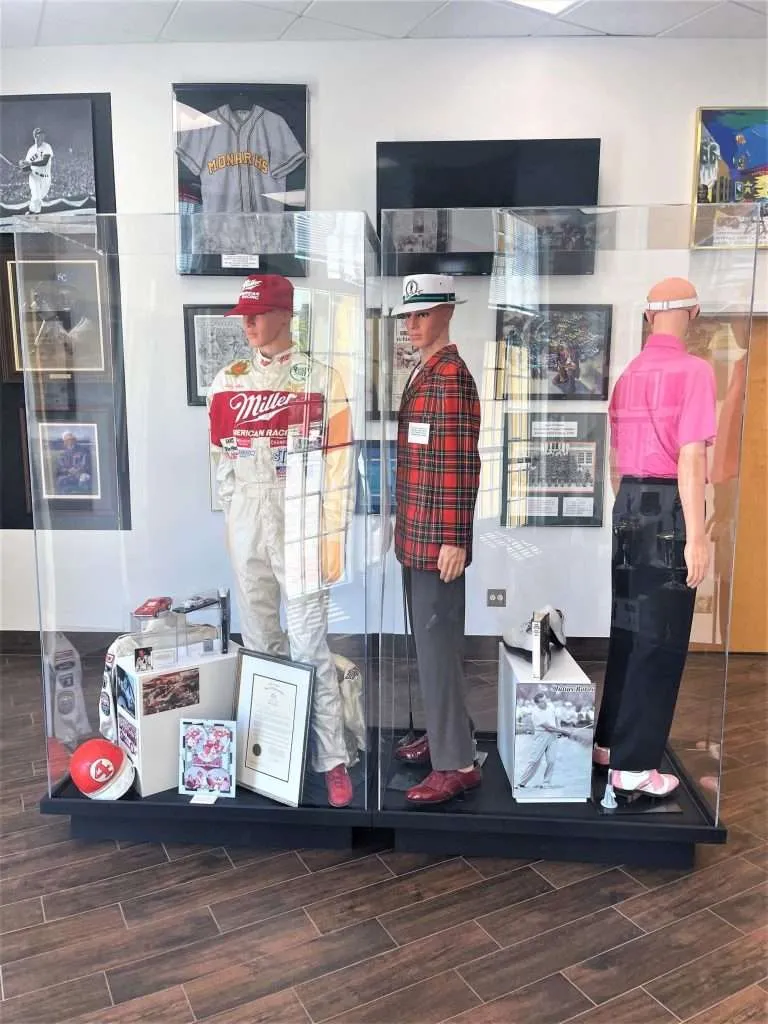
- ← object install (conservators and preparators placing the collection)
- ← mount fitting (mounts meet objects meet cases — see the float below)
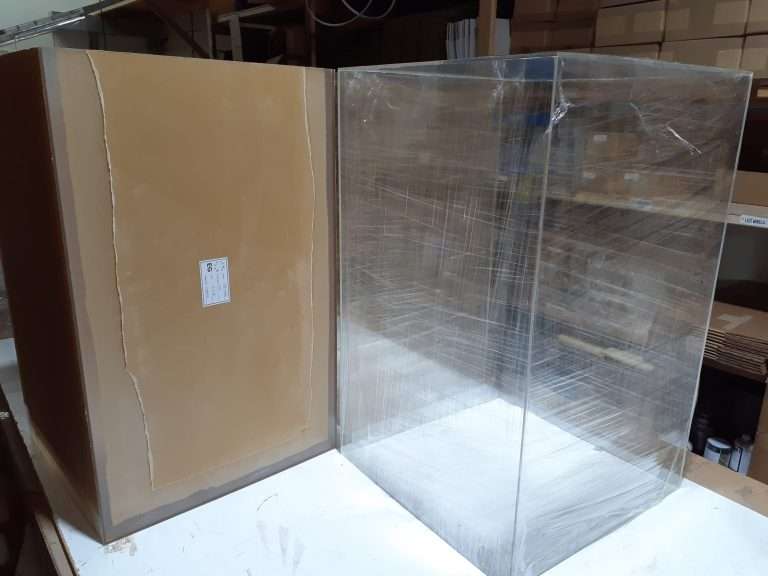
- ← case install (cases placed, leveled, cleaned)
- ← delivery (crated transit from the shop)
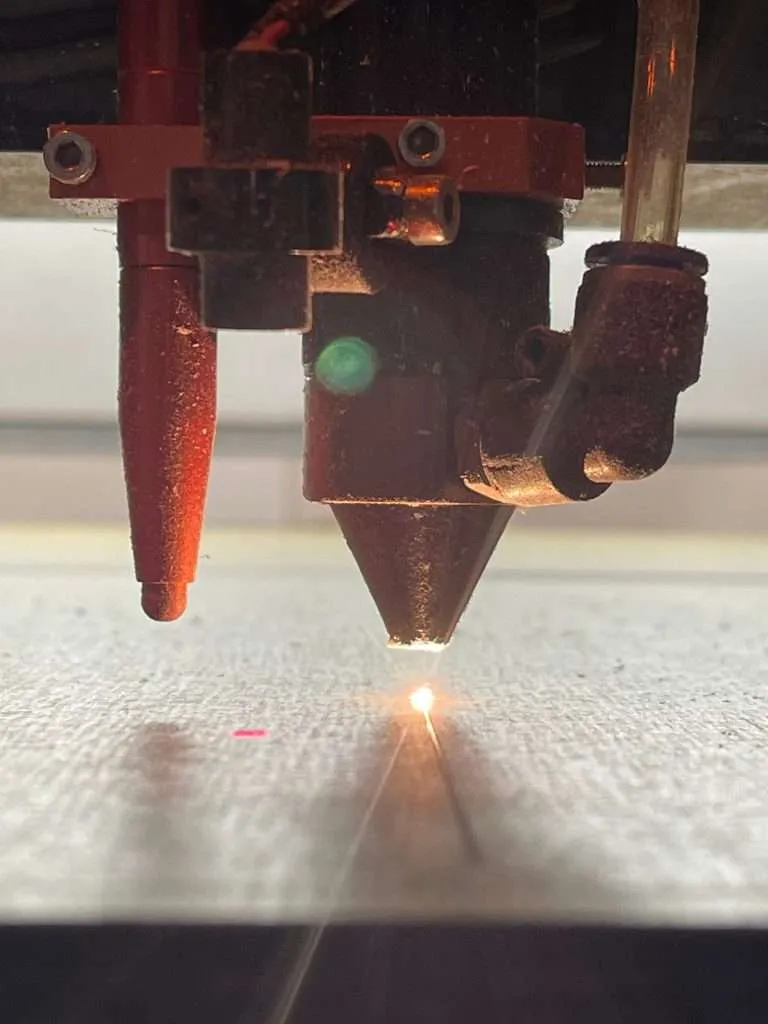
- ← fabrication (the span the shop owns)
- ← drawing approval (the review cycle the institution owns — see the other float)
- ← RFQ (today, ideally)
Write it in this direction and the question “when do we need to send the RFQ?” answers itself — usually earlier than the exhibition calendar assumed, which is precisely why the exercise is worth doing on paper before it gets done the hard way.
The two floats everyone forgets
Drawing-approval turnaround — on the institution’s side. In practice the longest single step in many exhibition schedules is not fabrication; it is the institution’s own review cycle, where drawings wait on an exhibition committee that meets monthly. A committee that needs two meetings to approve casework drawings has quietly consumed two months of a schedule everyone mentally assigned to “production.” Count your own approval cycle honestly, and if the committee calendar is the constraint, say so in the plan.
Mount-fitting iteration — after cases arrive. Mounts, objects, and cases meet for the first time at fitting, and some of them negotiate. Schedule fitting as a working period with slack, not a day on which everything fits; the alternative is performing that negotiation during object install, with conservators waiting.
Where each scheduling tier honestly fits
Under the Production Scheduling framework, the fit is straightforward and worth stating without varnish. Casework ordered early in exhibition development rides the Production Schedule — the standard tier — comfortably — sequenced by available capacity, with time to spare. When development has compressed the calendar, Accelerated Production moves the work forward where available capacity allows — but it improves timelines without guaranteeing the completion date. For casework tied to a fixed, public opening, the honest mechanism is Reserved Production: dedicated fabrication capacity allocated to guarantee the specific manufacturing completion date the back-plan requires. The tier conversation belongs at RFQ time, because reserving capacity is something done ahead, not retroactively.
The change-order tax
One more line for the internal schedule, because it protects everyone: layout changes after release to fabrication cost calendar time, not just budget. A case resized after fabrication starts restarts that case’s clock — material, cutting, bonding, finishing — inside a schedule that had no slack to give. The discipline that prevents it is freezing the object list and case layout before release to fabrication, and writing that freeze date into the exhibition plan where curatorial can see it. Casework built for close viewing also deserves its finish named — Museum Archival Finish, per the Acrylic Quality Standards, is the grade written for the inspection distance of a leaning visitor — and the maintenance handoff is easiest when the team points its own crew at a published care protocol from day one.
The one-page version to circulate
For the exhibition team’s wall: (1) Opening date → earliest preview date. (2) Walk backward: object install ← mount fitting (with slack) ← case install ← delivery ← fabrication ← drawing approval (count the committee honestly) ← RFQ. (3) Freeze the object list before release to fabrication. (4) Fixed public date = Reserved Production, decided at RFQ. Four lines, and the casework stops being the thing the schedule discovers late. If an opening date is already on your calendar, bring it with the case list — the back-plan is the first thing we build.