After “how long will it take,” the question we hear most is some version of this: here’s a sketch, a photo, a napkin drawing, a rendering — can you make this? It’s a better question than most buyers realize, because the answer is almost never a flat yes or no. It’s “yes,” “yes, by a different method,” or “yes, with one change” — and knowing how the decision gets made on our side lets you ask it in a way that comes back fast.
The checks behind every answer
Every piece that crosses the quote desk gets a file review, process planning, and a material-and-yield check. Behind “can you make this,” that means five specific questions:
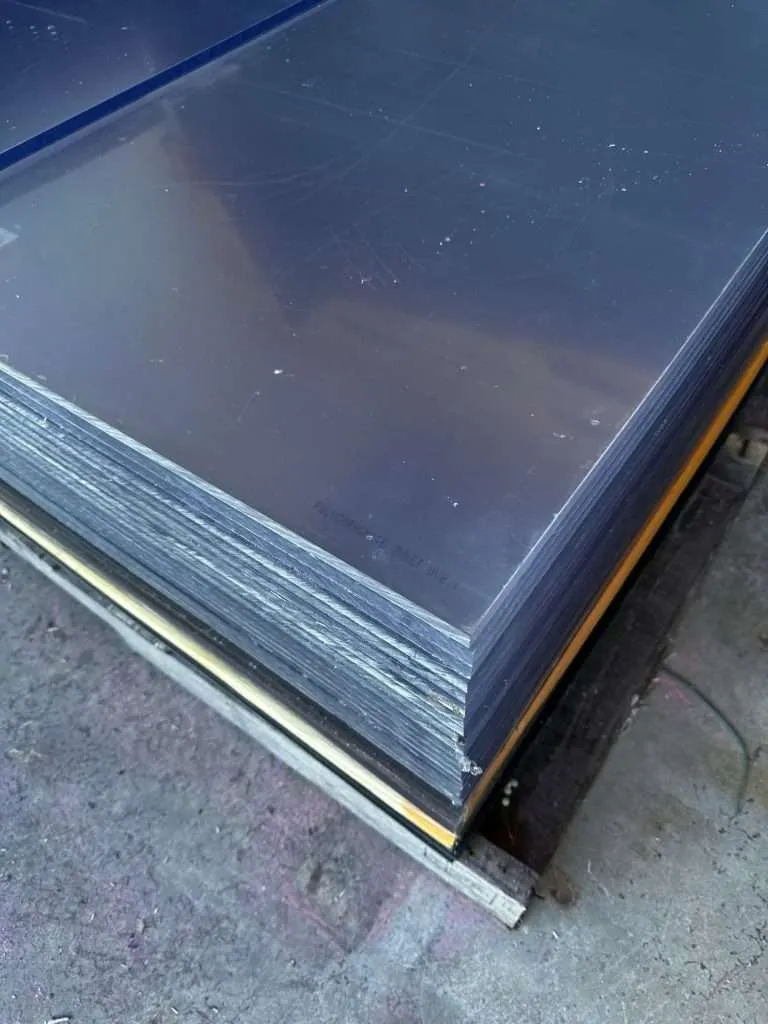
- Does it fit the sheet? Size against available sheet stock, standard or oversize — and if the piece is bigger than any sheet, where a seam would go and whether it can go somewhere it hides.
- Is the material and thickness right for the job? Not just “can we cut it” but “will it do what the piece needs to do once it’s standing in a store or a lab.”
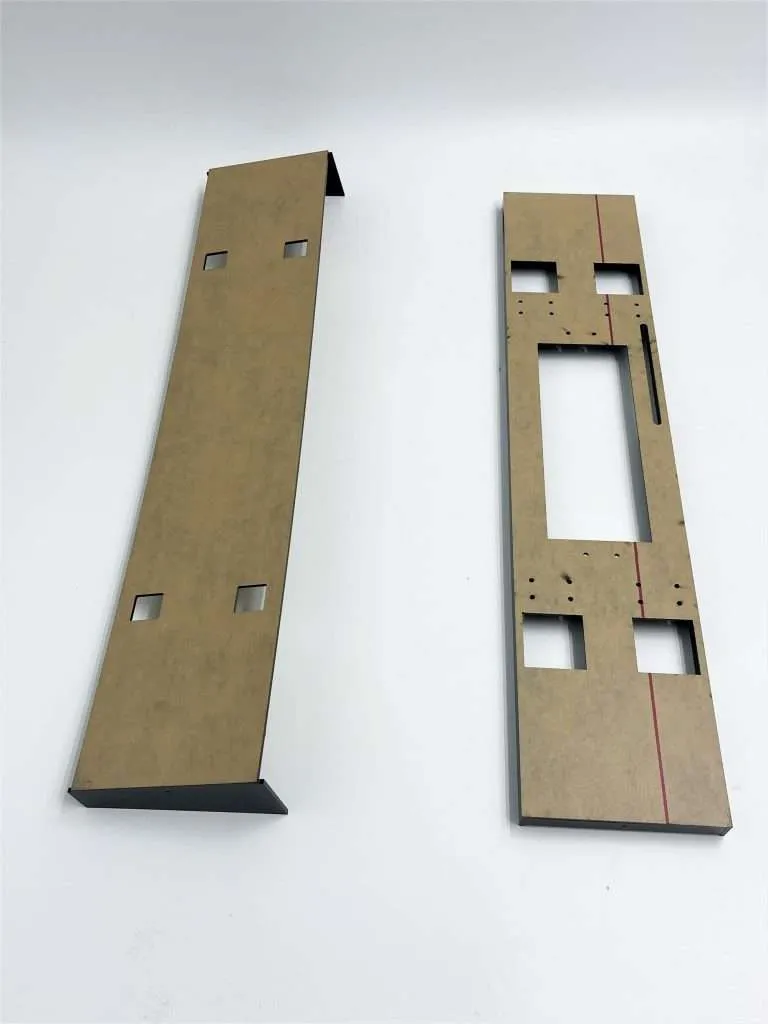
- How is it joined? Bonded construction, mechanical fastening, or geometry that locates parts without either — each has rules, and some shapes commit you to one.
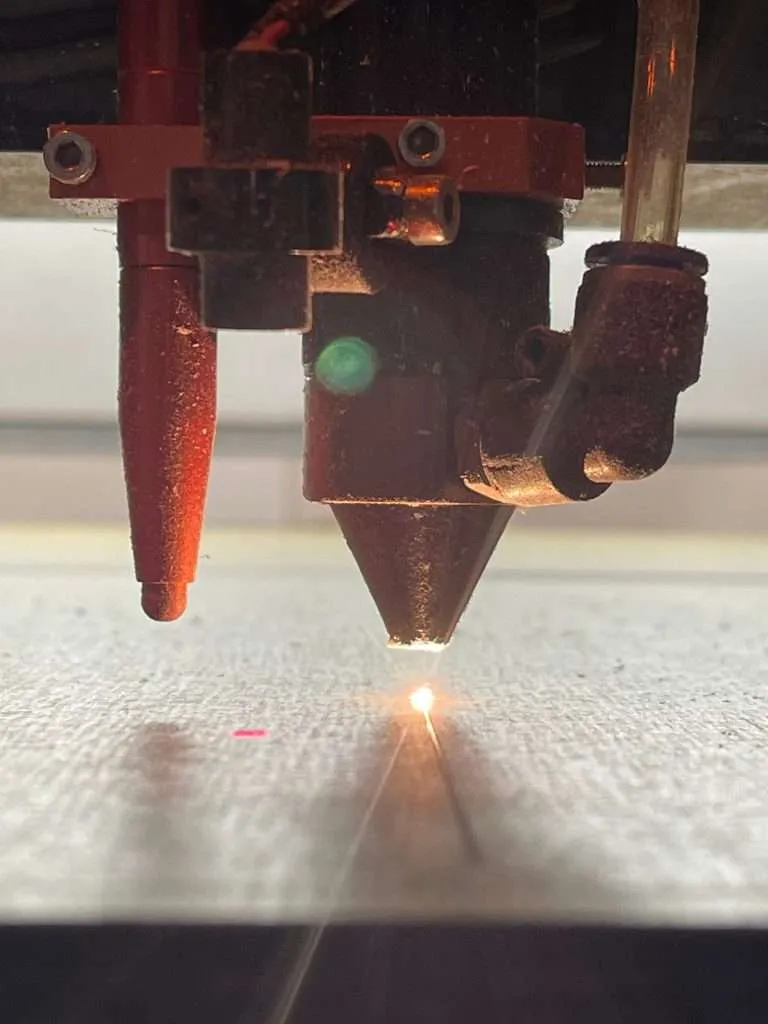
- Which process makes the shape? Laser, CNC, line bend, thermoform — most parts have one natural route and a price attached to forcing a different one.
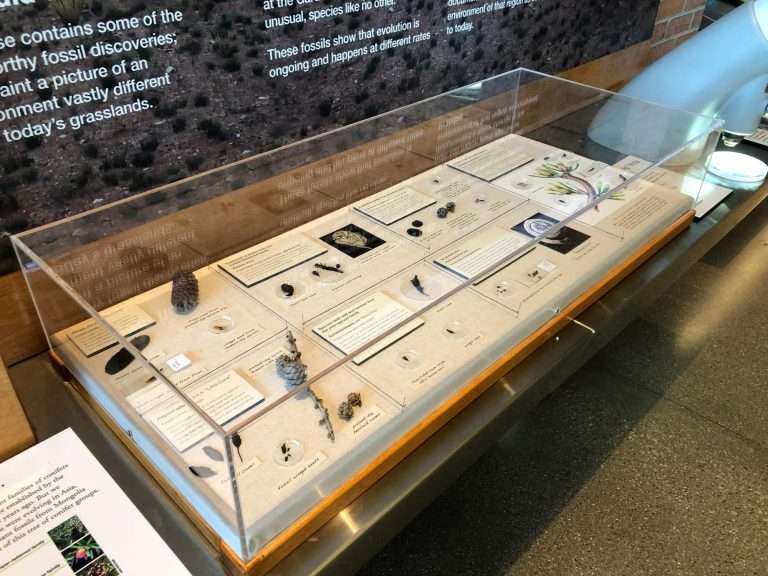
- What finish grade does it have to meet? A piece examined at arm’s length and a piece seen across a sales floor carry different specs — our quality grades and Inspection Distance post covers how that gets named, against the published standard.
What turns “not as drawn” into “yes”
Most pieces that fail a check don’t fail by much, and the fixes repeat. Split a too-large piece into two parts with the seam on an inside corner. Move a seam to where the eye never travels. Nudge a dimension so the parts nest on the sheet instead of stranding half of it as scrap — and when a small change like that cuts real cost, we tell you so before you’ve asked. Swap a compound curve that would need tooling for a line bend that doesn’t. The piece the customer wanted is still the piece they get; what changed is a detail they usually can’t see and never miss.
When the answer is “yes, by a different method”
Some callouts can’t be built as written because the material refuses the process, not because the shape is wrong. Flame polishing works on acrylic alone. Polycarbonate and PVC are never laser-cut — polycarbonate goes to the saw and the CNC instead. In every one of these cases the method changes and the answer stays yes; the drawing just needs its process language to match its material line.
The reverse is also true: processes combine more freely than most buyers assume. We’ve engraved, printed and integrated lighting on the same panel — if the piece needs print, engraving and illumination at once, that’s a project requirement, not a feasibility problem.
What isn’t a fabrication question
One class of question doesn’t belong to the shop: building-code and jurisdictional compliance. No fabricator can know every code in every jurisdiction, so compliance is the customer’s specification to make — tell us what your code official or your spec requires, and we build to exactly that. The same boundary applies to someone else’s design: we can build the piece you’re specifying, but we can’t breach another company’s intellectual property, so “make me this competitor’s product” becomes a conversation about what your version needs to do.
Where we push back — and what we offer instead
Honesty requires saying there are things we decline: work outside our capabilities, deadlines that can’t be met, requirements that aren’t technically feasible — and, increasingly, AI-generated concepts presented as finished designs, because a rendering’s confidence doesn’t make its geometry buildable or its implied method real. Those conversations don’t end at a bare no. They end with what we can do: a modification, an alternative construction, a version of the piece that meets what you actually need. The gap between a concept and a buildable spec is normal — closing it is most of what the early questions are for.
How to ask so the answer comes back fast
You don’t need finished CAD to get a real answer. What gets a feasibility question a real answer fast: a sketch or photo of the piece, overall dimensions, quantity, and the date you need it in hand. Vector files help when you have them — file prep for quoting covers what format does what — and the RFQ drawing checklist is the long version. But the four basics are enough to start, and starting early is the whole game: the one-change fixes above are free at the sketch stage and expensive after the files are final.
Have the piece in hand, or in your head? Ask us with whatever you’ve got — the full map of what each process can do lives in the fabrication processes guide.