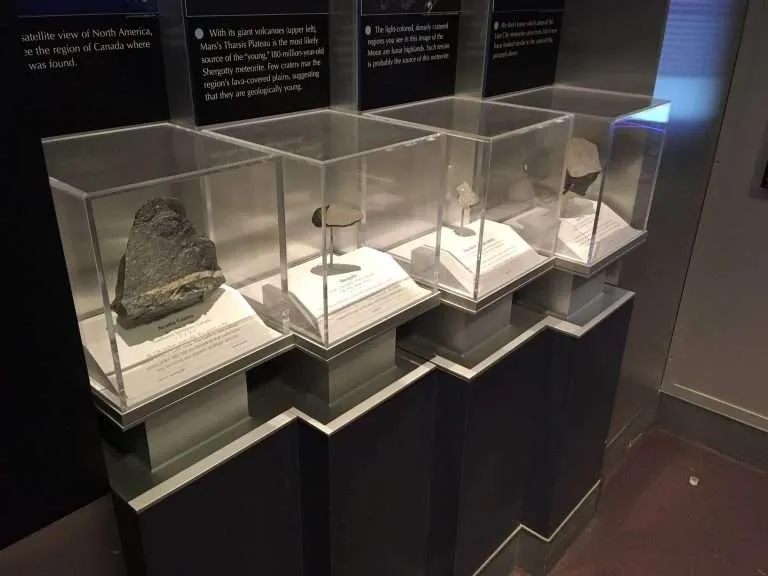
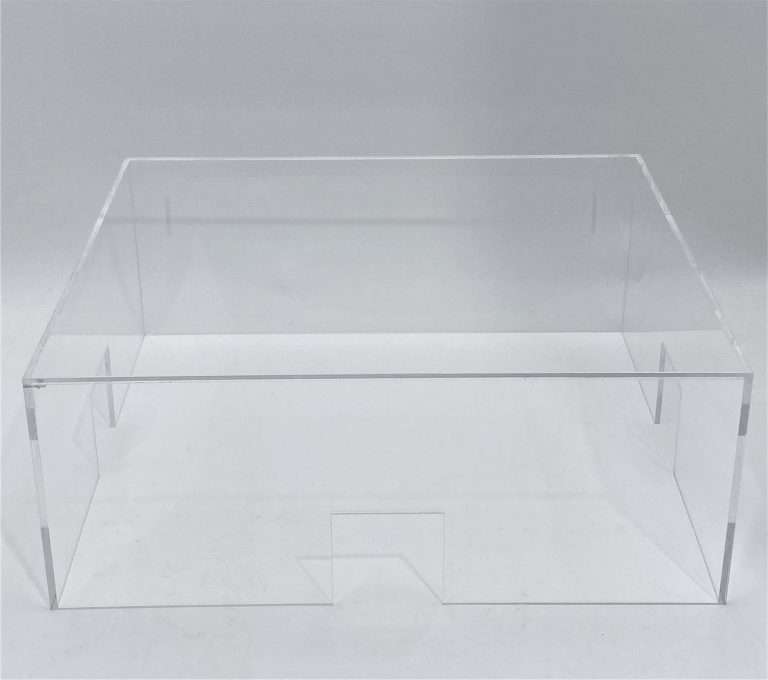
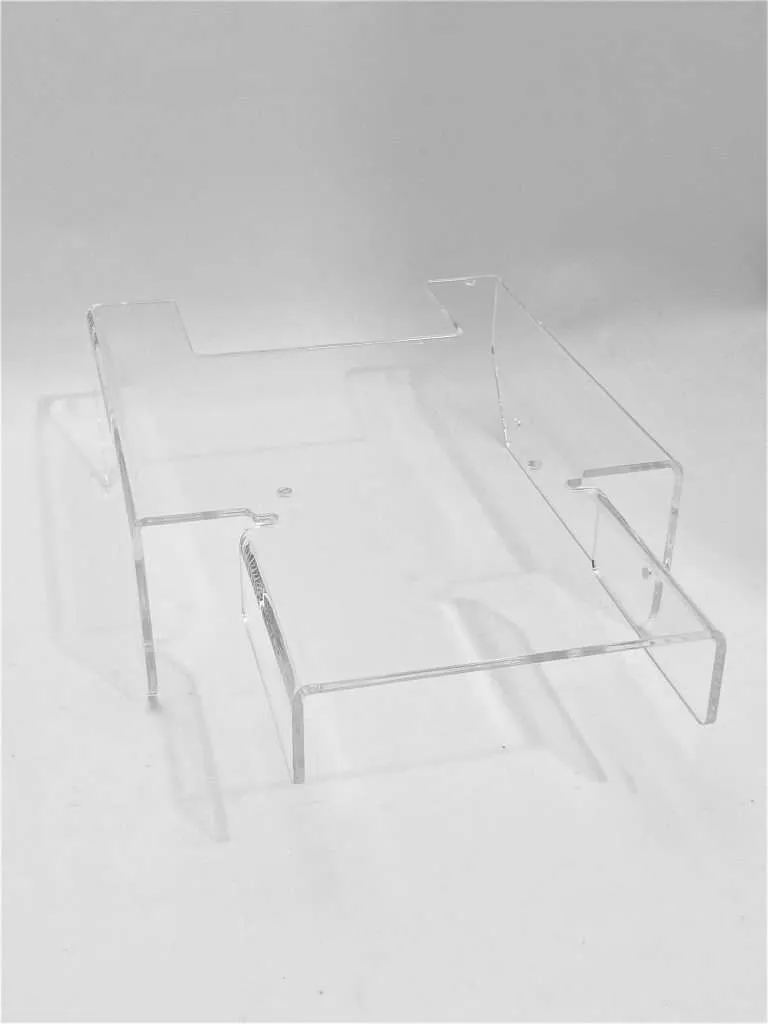
Somewhere in the approval chain of nearly every institutional display case is a screening step most fabricators have never heard of and every conservator knows by name. Before a material goes inside a case with a collection object, many institutions test it — and the test they reach for is the Oddy test. A fabricator who understands what that test is, and what it means for a build, can have the right conversation with a collections department on the first call instead of the third.
What the test actually is
The Oddy test, developed at the British Museum, is an accelerated-aging screen for corrosive off-gassing. A sample of the candidate material — a gasket, a fabric, a sealant, an adhesive — is sealed in a humid vessel with metal coupons of silver, lead, and copper, and the enclosed exposure is aged on an accelerated schedule. At the end, the coupons tell the story: tarnish or corrosion on a coupon indicates the material releases something a sealed case would concentrate onto a collection.
The test does not identify the compound. It answers a narrower, more useful question: should this material share an enclosed atmosphere with an object?
What the ratings mean for a build
Institutions commonly class Oddy results into three working categories — suitable for permanent use, suitable for temporary use, and unsuitable. Translated into fabrication consequences:
- Permanent — usable in a case intended to enclose objects indefinitely.
- Temporary — acceptable for a short-run exhibition case, not for a permanent installation; the same material can be fine for a twelve-week show and wrong for a decade of enclosure.
- Unsuitable — out of the enclosed volume entirely, whatever its other virtues.
The subtlety that matters commercially: results attach to what was tested — a specific product, often a specific batch — and to the lab that tested it. Formulations change without the product name changing, and institutions know this, which is why many retest rather than rely on another institution’s list, and why the same product line can appear on one museum’s approved list and another’s rejected one. This is also why this post refuses to make the claim you may have seen elsewhere: a blanket “our materials pass Oddy testing” assertion is not a fact a fabricator can honestly own. Test results belong to specific batches and to the institution’s own screening.
The fabricator’s actual role
What a shop can own is the protocol that makes screening workable:
- Full disclosure. A materials schedule for the proposed build — every adhesive, gasket, sealant, deck material, and finish, identified specifically enough to screen. The screening is the institution’s; the completeness of the list is the fabricator’s.
- Samples on request. The institution’s lab tests real candidate materials, supplied for screening ahead of construction, so the screen runs on what will actually be in the case.
- Substitution without drama. When a component fails screening, the build adapts. Flexibility here is a fabrication capability, not a courtesy.
- Cure and airing time. Adhesives keep releasing volatiles after joints look done — the production plan should include full cure and airing before objects are installed, on the institution’s timeline.
The usual suspects, and designing around them
Conservators walk into these conversations with a mental list of material families that draw the hardest screening — certain sealants and caulks, some woods and wood composites, felts and fabrics, and some paints and coatings. A fabricator does not need to argue chemistry to be useful here; the useful move is design-around: constructions that need less sealant, deck build-ups that isolate wood products behind barrier layers or replace them entirely, and interior architecture executed in the same acrylic as the glazing rather than in mixed materials that multiply the screening list. Every material removed from the sealed volume is a screening question that never has to be asked.
The vocabulary bridge
Oddy screening is one part of a larger conversation about conservation-driven casework — sealed-versus-ventilated design, joint quality against the published quality standards, access and gasket construction. The reason to understand the test is not to perform the institution’s job, but to arrive as a fabricator whose materials list, samples, and schedule already fit how a collections department works. Institutional casework is in the project gallery, and if your project starts with a conservator’s requirements document, that is a good first thing to send us: we build to it.