Every recurring program carries a quiet procurement fear that rarely makes it into the RFQ: the first run was right — will the five-hundredth part still be? It is a fair question, because the things that could make it drift are real: machines get reprogrammed, sheet arrives in new lots, people change, and eighteen months can pass between releases. The answer worth trusting is structural. Consistency is held by artifacts, not memory.
The artifacts that hold a program
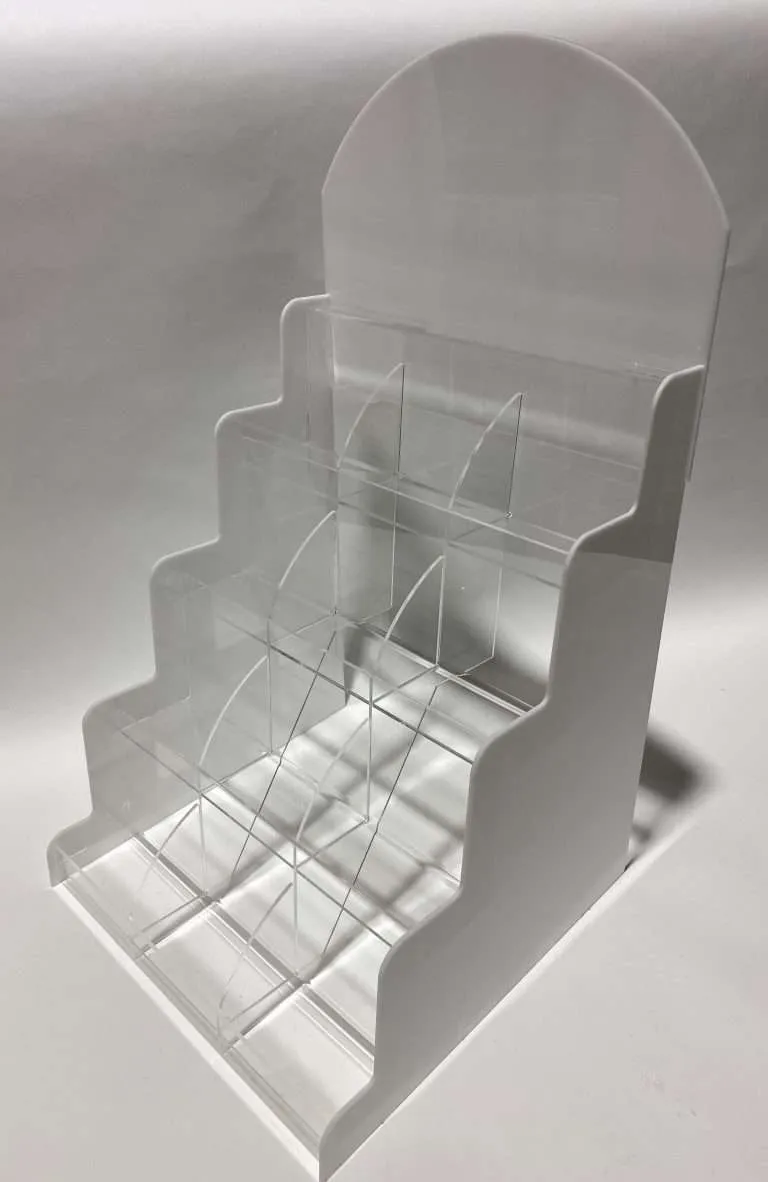
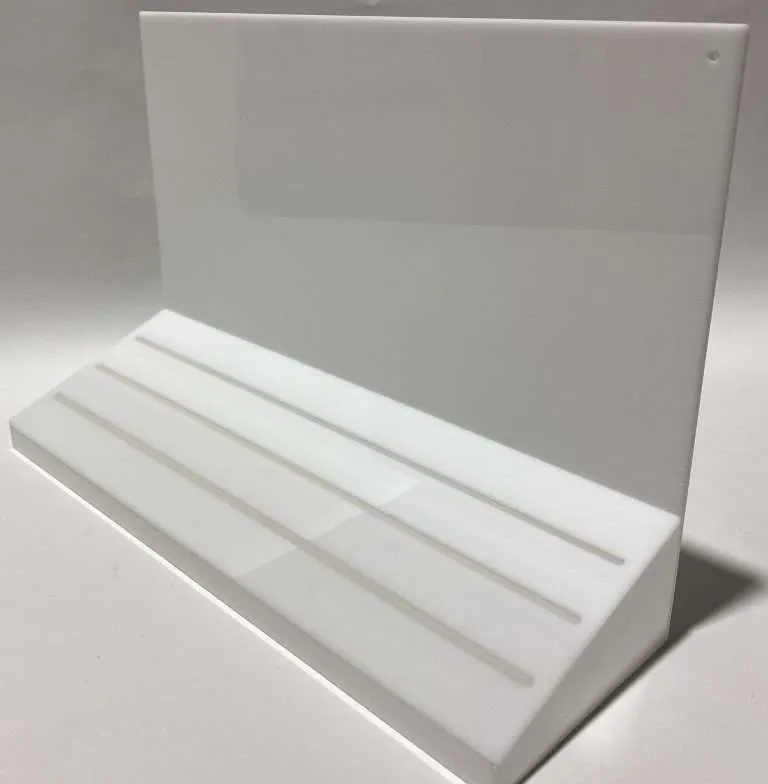
When a program is built to repeat, the record that comes out of the first run is the machine that runs every later one: CNC programs as they actually cut, forming tooling, assembly fixtures, and the locked drawing package with the finish specification on it. A reorder against that record runs the same physical process as the original — shape locked to the tooling, dimensions held to the per-process ranges in our Fabrication Tolerances standard, finish inspected to the same grade. We keep the records that make reorders straightforward, and for programs that are built to repeat, we keep a fuller record: notes, photos, files, the things that answer next year’s questions. What that record contains and how it serves a reorder is detailed in reorders and the files on record.
One honest nuance: a fully custom piece — a one-off thermoformed form, say — can vary slightly between orders, especially across a long gap. A reference piece from the original run makes it much easier to hold tighter tolerances on the reorder, which is one of the two things a buyer should keep (more below).
Material lots, stated honestly
Acrylic sheet is a manufactured product with published tolerances, and it varies slightly lot to lot inside them — thickness within the manufacturer’s stated band, and in clear sheet a subtle cast that only shows when panels sit side by side. For most parts this is invisible. Where it matters — edge-lit work, large matched arrays, anything where adjacent panels must read as one — it is managed the straightforward way: when color or match matters, all pieces cut from the same shipment of sheets, and specific lots tracked when it is of utmost importance. Standard catalog colors run fairly consistent lot to lot; exact-match requirements get more diligence, and that diligence is scoped and priced with the job — the level of care matched to what the project actually needs. The mechanics are covered in colored sheet lots and color consistency, and one adjacent guarantee is worth stating plainly: what the quote says the part is built from is what it is built from. No silent substitutions, ever.
Print consistency: the proof is the contract
Printed graphics are where reorder drift would be most visible, and where the discipline is simplest. Color runs through color-managed CMYK matched to the customer’s brand references, and where a proof was approved on the original run, the reorder prints to that approved proof — not to a fresh interpretation of the artwork, not to whatever the file looks like on this year’s monitor. The approved proof is the fixed point the program prints against. How artwork gets to that fixed point in the first place is covered in file formats and artwork handoff.
Change control protects both directions
A program record would be a liability if it froze the design forever, so changes have a doorway: a revision enters as a revision — an updated drawing, fresh approval, and a new first article where the change warrants one. That doorway protects the buyer both ways. A deliberate change gets implemented once, cleanly, and becomes the new record; and an unchanged reorder is protected from change by the same mechanism, because nothing enters the program casually. “Make it like last time” and “make it like the new rev” are both exact instructions, and the record is what makes them exact. The quality checkpoints a run passes through are laid out in QC and inspection expectations.
What the buyer should keep
The shop’s record carries the program, but two artifacts belong on the buyer’s shelf:
- The approved first-article or reference sample. The physical part everyone agreed was right. With it, any future question is a measurement against a reference; without it, the same question is an argument between memories.
- The approved proof. The printed color standard, viewed as printed. Brand teams change, monitors differ, PDFs render loosely — the proof does not.
Keep those two things and the program has a fixed point at both ends: the shop’s record on one side, the buyer’s reference on the other, and every reorder measured against something physical.
Consistency across releases is the core promise of recurring production, and it extends to the calendar: releases enter the schedule as they are approved and paid, and when a release must be finished for a hard date, Reserved Production is the tier that commits a manufacturing completion date to it, when the schedule can support it. The wider program context is in how contract manufacturing works, with the production-planning side in production planning and lead times.