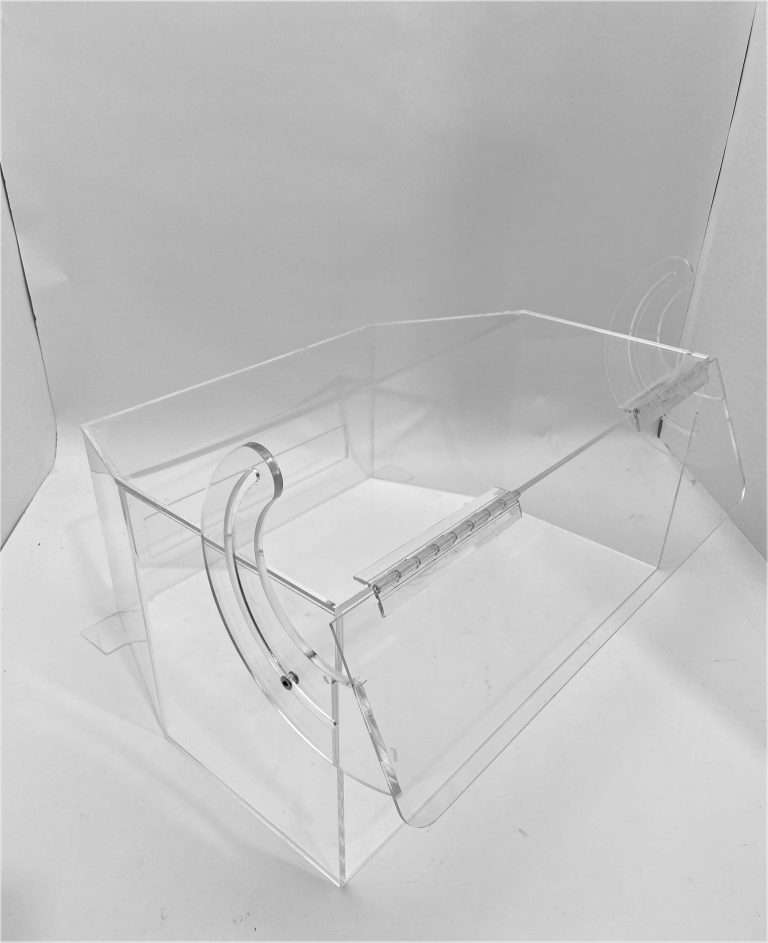
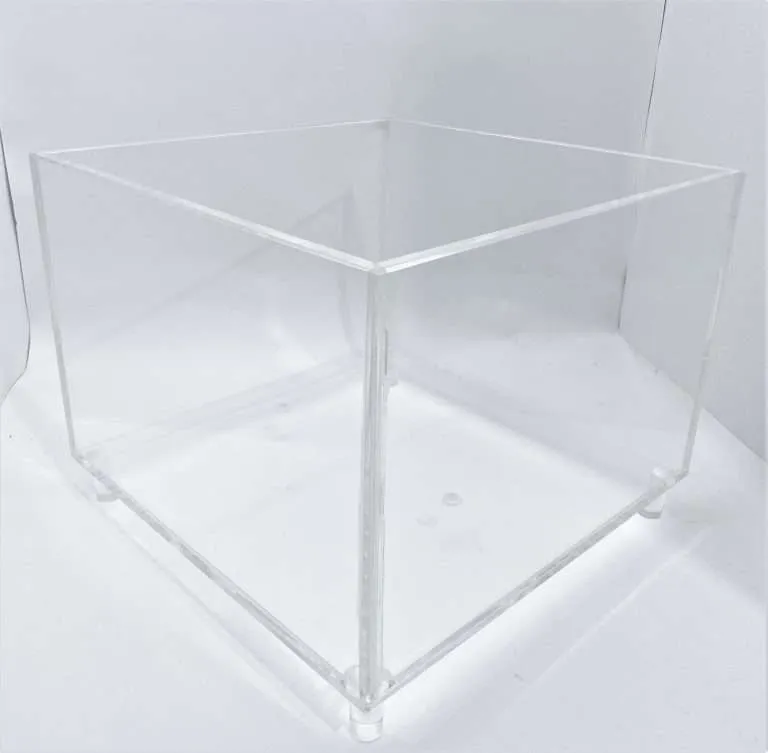
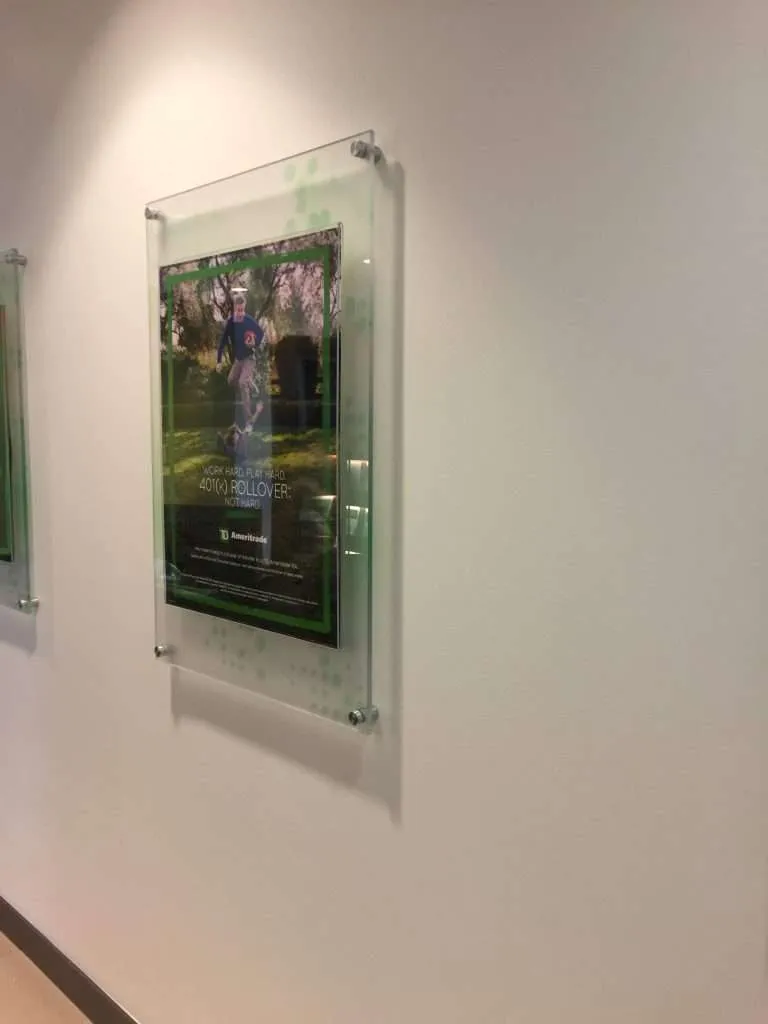
The failure mode is so common it deserves to be named before anything else: the fixture was designed to the naked product — measured carefully, modeled beautifully — and the product sells boxed. The displays arrive, the cartons don’t fit, and suddenly the wells are too small, the shelves too shallow, and the unit holds half its intended facings. Nothing was fabricated wrong. The design object was wrong. The thing a display holds is the retail unit — the product plus its packaging, in whatever configuration it is actually merchandised — and the single highest-leverage line in a fixture RFQ is the one that says which configuration that is.
The three configurations to design for
Every fixture holds one of three things, and each is a different geometry problem:
- Boxed. The carton is the unit: its dimensions govern the wells and shelves, and its graphics govern the sightlines — the display frames the box, so the box’s printed faces are the display’s visual content. Measure cartons, not products.
- Naked with box behind. The display presents an unboxed unit while saleable stock sits boxed beside or behind it — two geometries in one fixture, each needing its own dimensioned space, plus the visual relationship between them. This is the configuration briefs most often leave implicit, and the one where “holds the product” least describes the actual fixture.
- Naked only. Demo and tester logic: the unit customers handle, with stock elsewhere. Here the product’s own dimensions finally govern — along with the handling, security, and restock questions that touched product brings.
The RFQ that names its configuration — and supplies measurements of that configuration — has already avoided the expensive version of this conversation.
Packaging variability is tolerance input
The second realization is that packaging is not a fixed dimension; it is a range. Cartons bulge when packed and slump when humid, shrink-wrap varies roll to roll, label positions wander within their own tolerances. A well dimensioned to one measured carton is dimensioned to a sample of one from a population that varies — the same mistake as treating a fabricated part’s nominal as its guaranteed size. This is tolerance thinking applied to the thing being held: just as the published fabrication tolerances define the well’s own dimensional range per process, the packaging contributes a second range, and the clearance between them must absorb both. The practical move: measure several units across production runs, record the maximum envelope, and state it on the RFQ as the thing the well must clear. Fit is a band between two varying things — the brand owns one of the two, and only the brand can report it.
Packaging refresh risk — the fixture killer nobody budgets
Brands refresh packaging far more often than they reformulate products. A fixture dimensioned tight to this year’s carton is one brand-team redesign away from obsolescence — the product unchanged, the display fleet suddenly wrong. Two countermeasures belong in the design conversation from the start:
- Dimension to a declared maximum packaging envelope — a stated ceiling the brand commits its packaging to stay inside — rather than to the current carton’s exact measurements. The display then survives refreshes by contract instead of by luck.
- Modular insert trays. Where presentation demands a close fit, put the close fit in a swappable insert: the body of the fixture is dimensioned to the envelope and lives for years, while the insert is dimensioned to the carton and swaps when the packaging does — a small reorder against a drawing on file, not a fleet replacement.
The reveal opportunity
Designing around packaging is mostly defensive — but it opens one genuinely offensive move. For brands whose packaging is part of the purchase, a fixture that composes box and product together merchandises the unboxing moment itself: the carton presented as an object, the product rising out of or beside it, the whole ritual the brand invested in made visible at the shelf. That composition is only possible when the packaging was a design input from day one, with its own measured envelope and its own sightlines — which is to say, it is the reward for doing everything above. A display at that level is specified to a finish grade worth naming — the published quality grades give the vocabulary — and quoted from real dimensions of both halves of the retail unit. Send the product and the packaging specs together; the fixture should know about both.