Booth elements divide into two kinds: the ones that get people to stop, and the one that converts the stop into a conversation. The demo fixture is the second kind — the piece that puts the product in a prospect’s hands — and it is routinely the least-designed object in an otherwise carefully designed booth, inherited from the last show or improvised from a riser and hope. It deserves a real spec, because its job description is unusually strict.
The job description: three requirements that drive everything
A demo fixture must do three things simultaneously, and each one drives a different part of the design:
Height and angle. A demo happens between two standing people, which fixes the working height, and the product needs to present toward the visitor while staying reachable for the staffer running the demo — an angle problem as much as a height problem. Get this wrong and every demo starts with someone stooping.
Handling duty. Not display-case life — demo life: picked up, set down, pawed, leaned past, all day, for three days. The fixture is handled nearly as much as the product it holds.
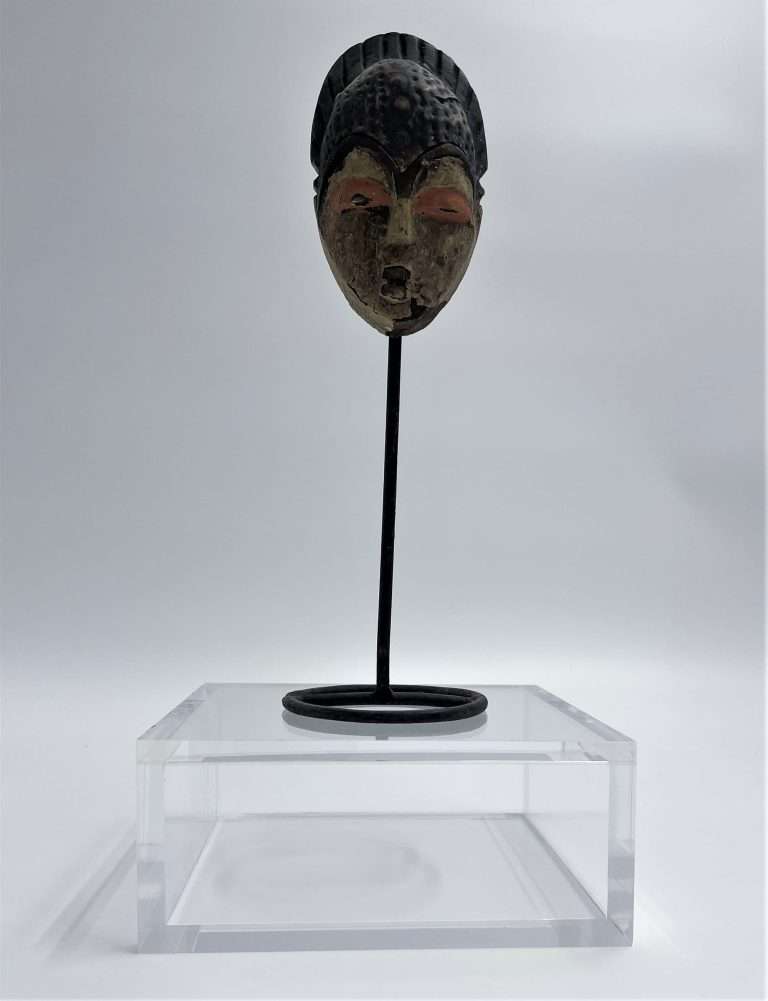
Visual restraint. The product is the star and the fixture is staging; clear acrylic’s whole value here is that it holds the product in mid-air, visually speaking, and contributes nothing that competes. Every design decision that makes the fixture more noticeable is working against requirement three.
Design around the actual product — send units, not renders
The single highest-leverage input a demo fixture project can receive is the real product. Cradles and nests are formed or machined to the product’s true geometry — its actual shoulder radius, its real weight distribution, the way it actually sits — and that geometry comes from a physical unit, not from a render or a sell sheet’s dimensions. Send production units with the RFQ; where the product is powered, the fixture should route the cable as a designed path rather than an afterthought draped over the back, and where the product is valuable, the mounting should be secured-but-demonstrable — held firmly enough that it cannot walk away casually, released simply when the staffer wants it in a visitor’s hands. Each of those is easy at drawing time and clumsy to retrofit. The product-fit discipline is the same one covered in product fit tolerances: snug is a designed outcome, not a hope.
The handling math: where polycarbonate earns its place
The honest materials answer for demo duty is usually a hybrid, and the logic is simple: put each material where its virtue is. Acrylic is the presentation material — clearer, harder-surfaced, polishable, the right body for the fixture’s visual job. Polycarbonate is the toughness material — its impact resistance is the property that shrugs off being knocked, dropped, and levered — which argues for it in the specific parts that take the abuse: lift-off elements visitors remove, high-touch guards, the piece that gets set down on hard tables all day. The presentation body stays acrylic; the sacrificial, handled, droppable parts go polycarbonate. This is the standard answer across booth components, and the fuller comparison lives in acrylic versus polycarbonate for exhibit duty, with the whole material landscape mapped in the exhibit component materials guide.
Serviceability: the fixture is a working tool
A vitrine is finished when it is installed; a demo fixture goes to work. It needs product swaps between show days, cleaning between demo cycles, and — this is the test worth writing into the brief — a reset one staffer can do in under a minute without tools. If swapping the demo unit means two people and an Allen key, the fixture will run day three with day one’s scuffed unit in it. Serviceability is a design feature exactly like the cradle geometry: cheap on the drawing, decisive on the floor.
One fleet, every booth size
Programs rarely run one booth; they run an island at the flagship show and inlines everywhere else. The demo fleet should serve both without duplication, which comes down to two decisions made early: modular bases, so the same fixture presents at counter height in one configuration and freestanding in another; and consistent mounting interfaces, so any fixture lands on any base and next year’s new product drops onto this year’s hardware. One fixture investment then covers the whole show calendar — and survives the reconfiguration cycles that repeat-show design plans for.
Finish grades, specified honestly
Demo fixtures live at conversational Inspection Distance and get handled constantly — two facts that should both show up in the finish spec. The faces that present the product at arm’s length carry Display Finish, where the eye actually evaluates them. The surfaces that hands and product wear all day are specified at Production Finish, deliberately: wear erases finishing effort, and a grade the first day of handling will scrub off was never buying anything. Matching grade to viewing distance and duty is the entire logic of our Quality Standards, unpacked in quality grades and Inspection Distance — and it is how a demo fixture budget spends itself where visitors are actually looking.
Specified around its real job — standing-height ergonomics, the actual product’s geometry, hybrid materials, one-minute resets, grades matched to duty — the demo fixture becomes what the booth needed from it: the element where the stop becomes a conversation. The rest of the booth system is covered in our trade show exhibits guide.