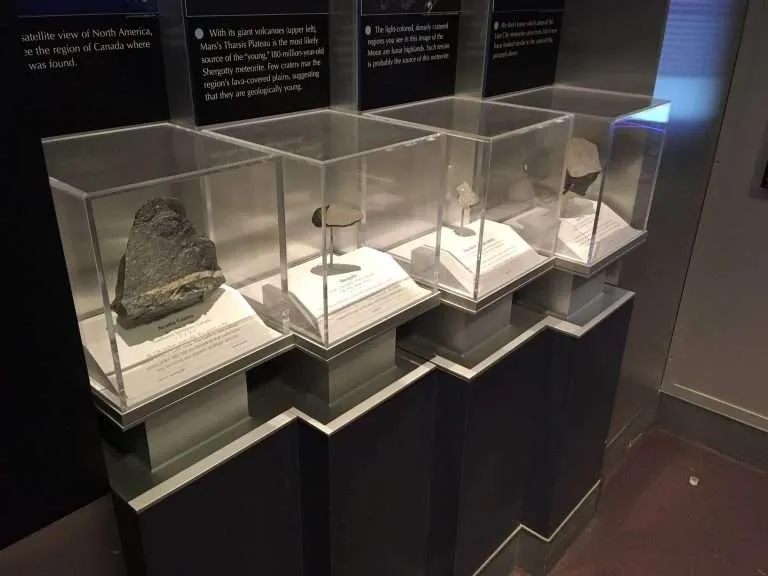
Somewhere in most casework RFQs is the phrase “conservation-safe glazing,” and like most safety-flavored adjectives it specifies nothing. What a collection actually needs is a set of material properties, each of which lives in a document — and the one this post covers, ultraviolet filtering, is the property most often invoked and least often specified correctly. UV-filtering acrylic is real, it works, and it is easy to buy; the failure mode is not fake product but vague paperwork: cases delivered with unfiltered sheet because nobody wrote the grade down, or with the right sheet and no documentation proving it.
Here is how to decide when UV filtering earns its place, what the data sheet actually tells you, and the one-line spec that gets you the material and the proof.
Which objects drive the decision
UV filtering matters in proportion to how light-sensitive the object is and how much UV its environment delivers. The classic drivers on the object side: works on paper, photographs, textiles, watercolors and other fugitive media, dyed materials, and organic materials generally — the categories where light damage is cumulative and irreversible, and where an institution’s own lighting policy usually already imposes exposure limits.
The environment side matters just as much, and it is the half specifiers skip: the case glazing is one layer in a lighting plan. A case in a windowless gallery under well-chosen LED fixtures lives in a very different UV environment from one near daylight or under older lamp types. The glazing choice, the fixture choice, and the exposure schedule are one decision made by the institution’s conservation and facilities people — the fabricator’s job is delivering the specified material with its documentation, precisely built. If your conservator says every case gets UV-filtering sheet as house policy, that is a perfectly good policy; it is also a spec line, so write it down.
What the data sheet actually states
UV-filtering acrylic grades are standard products from the major sheet manufacturers, and the claim lives on the product’s data sheet as measurable optics: a transmission curve, typically summarized as the percentage of UV transmitted below a stated cutoff wavelength. Reading one is a two-question exercise:
- Where is the cutoff? The wavelength below which the sheet blocks — the boundary between what the material filters and the visible spectrum it passes.
- How complete is the blocking? The stated transmission percentage in the filtered band.
We deliberately do not print representative numbers here, because the honest source is the data sheet for the specific product and thickness being quoted — grades differ between manufacturers and product lines, and a blog table is exactly the kind of secondhand number a conservator should refuse. Ask for the data sheet with the quote.
The honest limits
Two things UV-filtering glazing does not do, stated plainly because vendors often let the ambiguity ride:
It does not stop visible-light fading. Visible light also fades fugitive media — filtering UV removes part of the photochemical load, it does not authorize brighter or longer lighting. Exposure limits and lux budgets remain the institution’s control, unchanged.
It is not verifiable by looking at it. UV-filtering sheet is visually indistinguishable from standard sheet — which means the property must travel on paper. It is a material property of the specific sheet lot, so the documentation to request with the order is the manufacturer’s lot certification for the material actually supplied — a certificate of conformance stating that the specific sheet batch is the grade named on the data sheet — retained in the case’s file the way any other conservation documentation is retained. A vendor who cannot produce that paperwork is asking you to take a photon-level property on faith.
Fabrication is unchanged — so specifying it costs nothing in quality
The useful non-event in this story: UV-filtering acrylic fabricates like standard sheet. It cuts, machines, bonds and polishes the same way, which means specifying it costs nothing in achievable finish grade or joint quality — a UV-filtering vitrine can carry the same Museum Archival Finish (inspected at approximately 1 foot) and the same Joint Clarity level as any other case we build. The glazing decision and the quality decision are independent axes, so a specifier never has to trade one against the other.
The spec block that replaces “conservation-safe”
Everything above compresses into a specification pattern a registrar can paste into an RFQ:
Glazing: UV-filtering acrylic sheet, [manufacturer grade or approved equal], manufacturer’s UV-transmission data sheet and lot certification to be supplied with delivery. Surfaces: Museum Archival Finish per the Inspection Distance Standard. Bonded joints: [specified level] per the Acrylic Joint Clarity Standards.
Three sentences, no adjectives, and every clause checkable at delivery: the material by its certificate, the surfaces at approximately 1 foot, the joints against their standard. That is what “conservation-safe” was trying to say. For the rest of the case — construction, corners, thickness against span — the casework in our gallery shows the build quality this spec language buys, and when a case list is ready, send it over with the glazing line already written.