Somewhere in most project manuals that include fabricated acrylic, the acrylic is specified by accident. A display case rides along in the millwork section as “clear acrylic vitrine by specialty fabricator.” A guardrail infill panel appears on a drawing note as “1/2″ plexi.” A donor wall is “acrylic panel system, see elevations.” The fabricator who eventually prices that work receives no material designation, no finish expectation, no tolerance language — and every bidder fills the silence differently, which is how a project ends up comparing quotes for four different products that share nothing but a word.
This post is for the people who write and assemble project manuals — spec writers, architects, design-build project managers — and it covers the two decisions that make acrylic specifiable: where the section goes, and what it has to say.
Where the section belongs: file it by what the element is
Acrylic has no single home in a project manual, because acrylic is not one scope — it is a material that shows up in several. The reliable rule is to specify the element by what it does, in the section where that work already lives. The numbers below are CSI MasterFormat section numbers; MasterFormat is revised between editions, so confirm each against the edition your office maintains before it goes in the manual:
- Glazing work — acrylic serving as glazing (lites, panels in frames, protective glazing) belongs with the project’s other glazing under 08 84 00 Plastic Glazing, where the glazing contractor will find it. Sheet manufacturers already use this section: one publishes its guide specification to the 08 84 13 Decorative Plastic Glazing subsection, and a code evaluation report for another’s acrylic sheet is filed under 08 84 00.
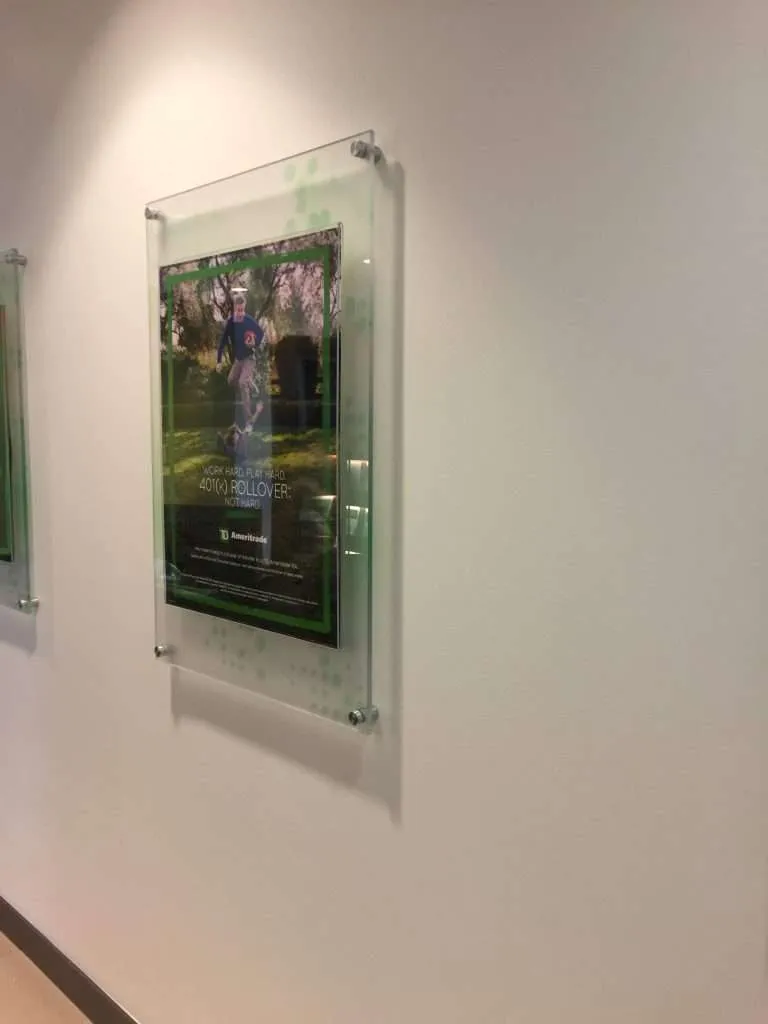
- Signage — dimensional letters, lobby signs, wayfinding and donor recognition belong in 10 14 00 Signage, with the rest of the sign package — 10 14 19 Dimensional Letter Signage for the letters, 10 14 23 Panel Signage for the panels, printed or engraved.
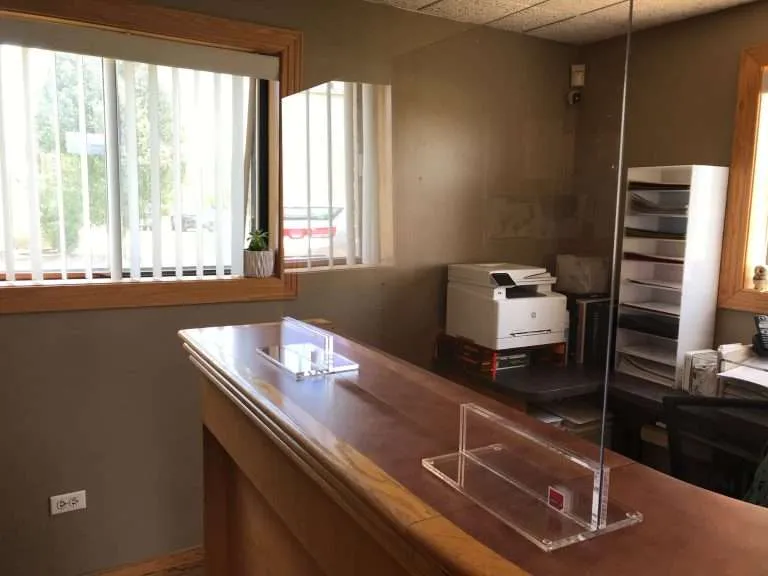
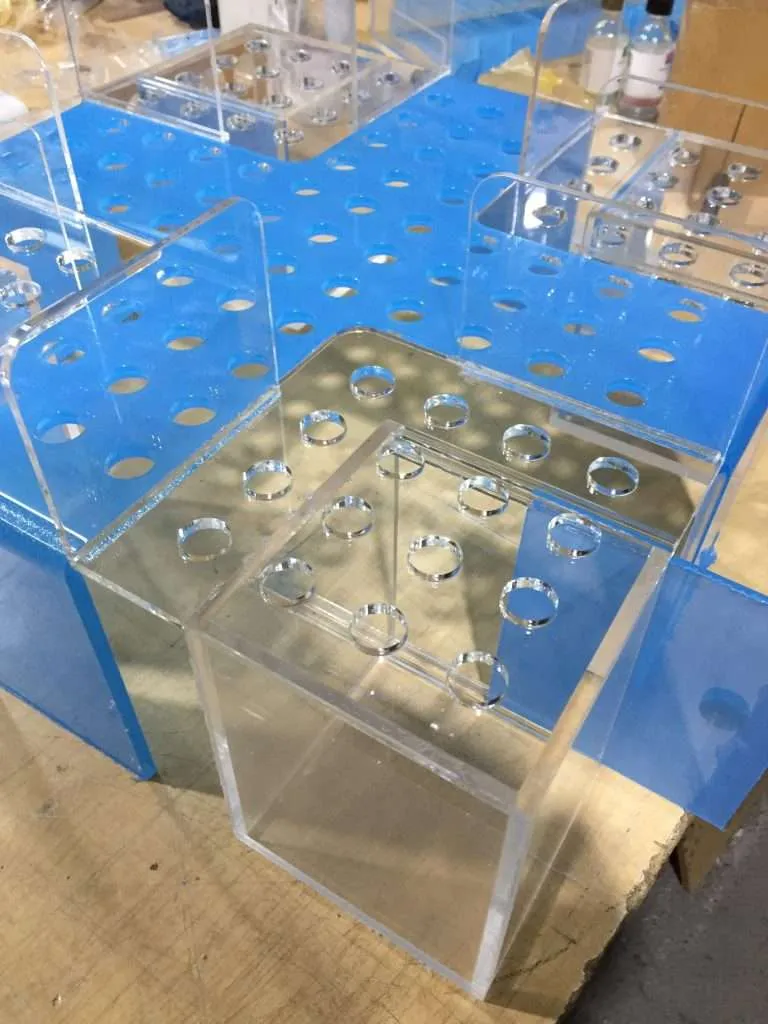
- Display and specialty elements — vitrines, cases, barriers, and one-off fabricated pieces belong in a section of their own, not buried in someone else’s scope: 12 35 59 Display Casework for built vitrines and cases, or 10 12 00 Display Cases where the project files them with the other specialties. An acrylic guardrail infill is specified with the railing that carries it — for a decorative metal railing, 05 73 13 Glazed Decorative Metal Railings — not as a loose panel.
- Millwork-integrated acrylic — acrylic doors, shelves or panels inside architectural woodwork can stay in 06 40 00 Architectural Woodwork, but as a named sub-scope with its own material and finish language, so the millwork house knows it is buying fabrication rather than a sheet.
- Other fabricated acrylic — a wall panel system, a fabricated assembly with no glazing, sign or case to ride with — has its own Division 06 home: 06 60 00 Plastic Fabrications, with 06 64 00 Plastic Paneling for panel work.
The common failure is not picking the wrong section — it is the phrase by others, which places the element in no section at all. An element specified nowhere is bid by nobody, discovered during buyout, and procured in a hurry against whatever language survives on the drawings. Wherever you put the acrylic, put it somewhere.
What the section needs to say
A fabricator pricing from a project manual needs five things. Each one you leave out becomes an assumption, and assumptions across four bidders never match.
1. Material and sheet type
Say “acrylic” (or the trade name your office prefers — the polymer is the same), and cite the sheet specification: ASTM D4802, Standard Specification for Poly(Methyl Methacrylate) Acrylic Plastic Sheet, current designation D4802-16(2024). Sheet manufacturers state conformance to it in their own product literature — it is the manufacturer’s statement, which is exactly why the manufacturer’s data sheet belongs in your submittal list below. Then state the sheet type where your project cares: cast or extruded. A stated sheet type is a binding instruction, not a suggestion — in this shop, what the specification says is what gets built — and it removes the one material variable that is invisible in the finished part. Add the functional grade where one applies: UV-filtering for collection and conservation settings, impact-modified where the design team’s requirements call for it. For the differences that drive the choice, see cast vs extruded acrylic.
2. Thickness
State it per element, in inches, as a fraction — and resist copying a thickness from a different project. Thickness in fabricated acrylic follows span, load, and the joining method; a thickness that was right for a countertop case is wrong for a five-foot panel. If the design hasn’t settled it, say so and require the fabricator’s input at shop-drawing stage rather than guessing in the manual.
3. Finish and edge expectations, in words that can be inspected
“Polished edges throughout” is the acrylic equivalent of “good paint job.” Specifiable language names a viewing condition and a method. The Acrylic Quality Standards define surface grades against an Inspection Distance — the distance at which the work is evaluated — so a spec can say what grade the element is held to instead of implying perfection it will not be inspected for. Edge language works the same way: name the finishing method per visible edge class (the Edge Finishing Standards define six, from raw/saw-cut through diamond-polished) rather than writing one blanket adjective. The post on specifying Inspection Distance shows the language in use.
4. Tolerances
Fabricated acrylic is not machined aluminum, and a blanket machining tolerance imported from a metals spec prices every edge as precision machining. Reference the published Fabrication Tolerances standard for general work and reserve explicit callouts for the features that actually mate with something — a frame reveal, a hardware pattern, a captured edge. The discipline is the same one in site dimensions and tolerances for architectural work: tolerance where it matters, standard ranges everywhere else.
5. Submittals
Write the paper you want into the submittal list, because paper that isn’t required in the spec rarely exists at closeout. For acrylic that means: shop drawings for fabricated elements (dimensions, joinery, edge schedule), the sheet manufacturer’s data sheet for the material actually proposed (require that it carry the manufacturer’s ASTM D4802 statement), and — where the project warrants it — a lot certificate for the sheet batch. Ask for these in the spec; they are the specifier’s tools, and the time to require them is before fabrication, not after. How the shop-drawing round actually works between designer and fabricator is covered in shop drawings and submittals.
What stays on the design side of the line
Code requirements — fire performance, glazing safety, accessibility — are determined and stated by the design team. No fabricator can know every jurisdiction’s requirements. The working arrangement that holds up: the project manual states the requirement, and the fabricator builds exactly to the stated specification. That division is also why the five items above matter — the spec is where the design team’s decisions become buildable instructions.
A fabricator reads the manual too
A well-specified acrylic section does something beyond clean bidding: it gets engaged with. When a section names a sheet type, an Inspection Distance grade, an edge schedule and a tolerance standard, the returning quote can confirm each one — or flag the one that fights the design, while there is still time to resolve it on paper. We review every file that comes in, plan the process, and check the material and yield before quoting; a manual written in specifiable language is what lets that review respond with answers instead of questions. The broader context for acrylic in interiors — where it earns its place and how the work is organized — is in the architectural and interior acrylic guide, and the full Standards Framework the vocabulary comes from is published at the standards hub.
The project manual is where “clear plastic thing, see elevations” either becomes a buildable scope or stays a procurement surprise. Five pieces of language, filed where the element lives — that is the whole job.