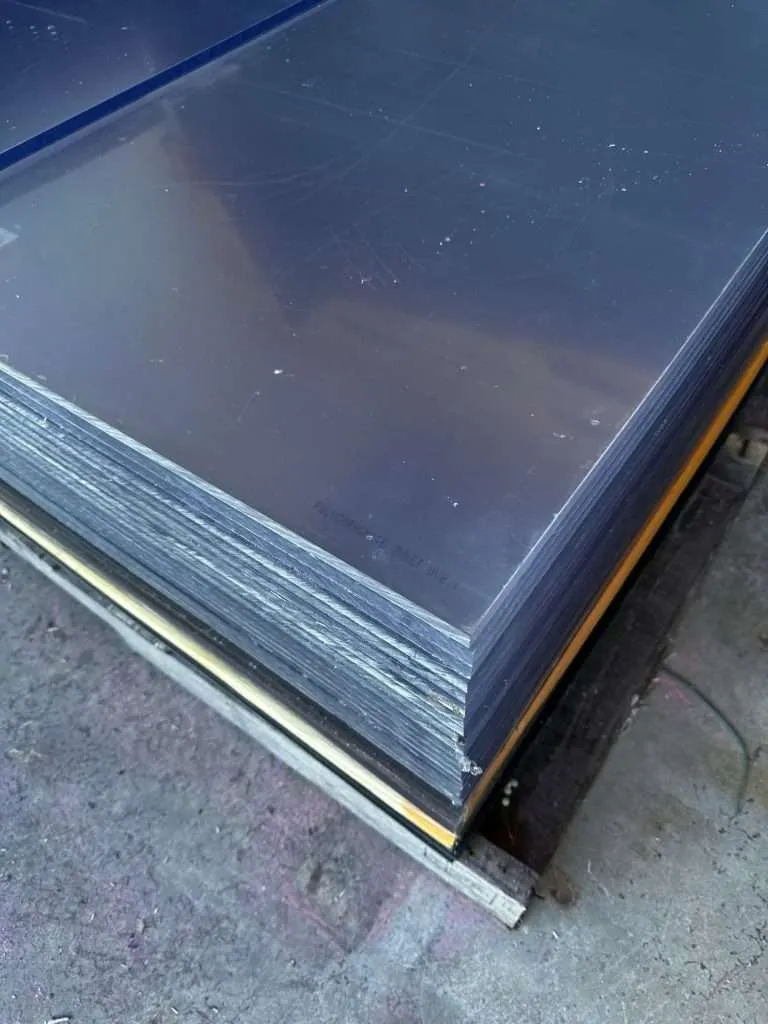
Buyers ask it in every form: does acrylic yellow? Will the display end up looking like an old bus shelter? The short answer is the opposite of the fear: among clear plastics, acrylic is the one that holds its clarity. Ultraviolet exposure is what yellows clear polymers, and acrylic tolerates UV unusually well — it’s why old acrylic skylights and aircraft glazing are still clear, and why the material earned its outdoor reputation in the first place. Plaskolite — one of the sheet manufacturers we work with — describes its general-purpose OPTIX acrylic in its own data sheet as a weather-resistant sheet with exceptional clarity and weatherability. That’s the manufacturer speaking about the bare material, not a coated upgrade.
So when a clear part does discolor, the right move isn’t to blame the category — it’s to find the actual mechanism. There are only a few.
What actually drives discoloration
UV exposure is the primary driver across clear plastics, and it’s where the materials separate. Acrylic is inherently stable under it. Polycarbonate’s relationship with UV is different — which you can read directly off the manufacturers’ own catalogs, where polycarbonate intended for outdoor service is sold in specifically UV-capped grades. When a manufacturer builds a protective layer into the outdoor version of a product, that’s the clearest statement available about the base material. If a project needs polycarbonate’s impact resistance outdoors, specify the outdoor grade and ask for its published weathering data; the broader trade-offs are in acrylic vs polycarbonate.
Heat accelerates aging in any polymer. A clear part living against a hot ballast, over a heat-producing fixture, or in a sun-baked enclosed space is aging faster than the same part across the room.
Cleaning chemistry is the quiet one. Harsh solvents and ammonia-based cleaners attack acrylic’s surface — the damage usually reads as haze, micro-crazing, or a dulled face that the eye files under “old and yellowed” even though no yellowing occurred. The safe-cleaning protocol lives in cleaning and maintaining acrylic; pointing your facilities or store-ops crew at it costs nothing and prevents most of this category.
Which resolves the indoor paradox: a display or fixture that discolors indoors almost always has one of those three in its history — direct sun through a window, a heat source, or the wrong spray bottle — rather than time alone doing the work.
The look-alikes that get called “yellowing”
Three conditions get misdiagnosed constantly, and the distinction matters because the fixes differ:
- Crazing — networks of fine surface fractures from stress and chemical exposure that scatter light and gray the part. That’s a stress story, not an age story: crazing: causes and prevention.
- Abrasion haze — thousands of micro-scratches from dry wiping and abrasive pads, blurring the surface until it reads discolored under light.
- Residue — adhesive left by labels and tapes, or protective masking left on far past install, each aging to a genuine yellow-brown that belongs to the residue, not the sheet. The part underneath is often pristine.
A practical field test before anyone condemns a part: look at the edge. Surface damage and residue live on the face; the material’s own color state shows in the body. A part that’s clear through the edge but dingy on the face has a surface problem, and surface problems are often recoverable.
What to put in the spec when it matters
- Outdoor or sun-exposed service: say so on the RFQ. Material and grade selection should be made against the exposure, and the sun through a storefront window counts as exposure.
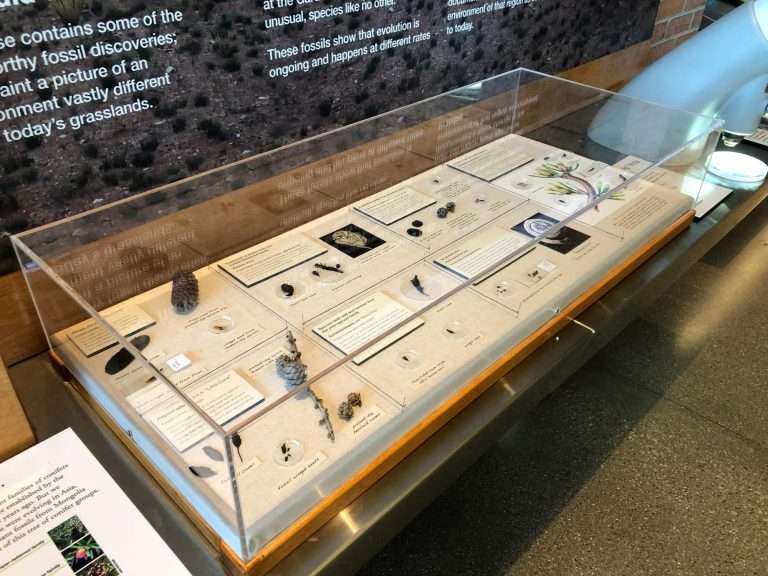
- Protecting what’s behind the acrylic is the opposite problem — a UV-filtering grade protects artwork or artifacts inside a case from the light coming through. That’s a different specification from the sheet’s own weatherability; the distinction is unpacked in UV-filtering acrylic.
- Ask for the manufacturer’s data sheet for the material being quoted, and the lot certificate where the program warrants it — the published figures for the actual product beat any blog’s generalities, ours included.
- Write the cleaning protocol into the fixture program — point the crew at the published guidance, because the wrong cleaner ages a display faster than honest service ever will.
The one-paragraph version for your next spec meeting: acrylic doesn’t have a yellowing problem — clear plastics have a UV, heat and chemistry problem, and acrylic is the member of the family best equipped for it. Choose the grade against the exposure, per the material selection guide, hold the work to the Acrylic Quality Standards, and the clarity you approve at delivery is the clarity the floor keeps. Weighing materials for a specific placement? Describe the light, heat and cleaning reality and we’ll spec against it.