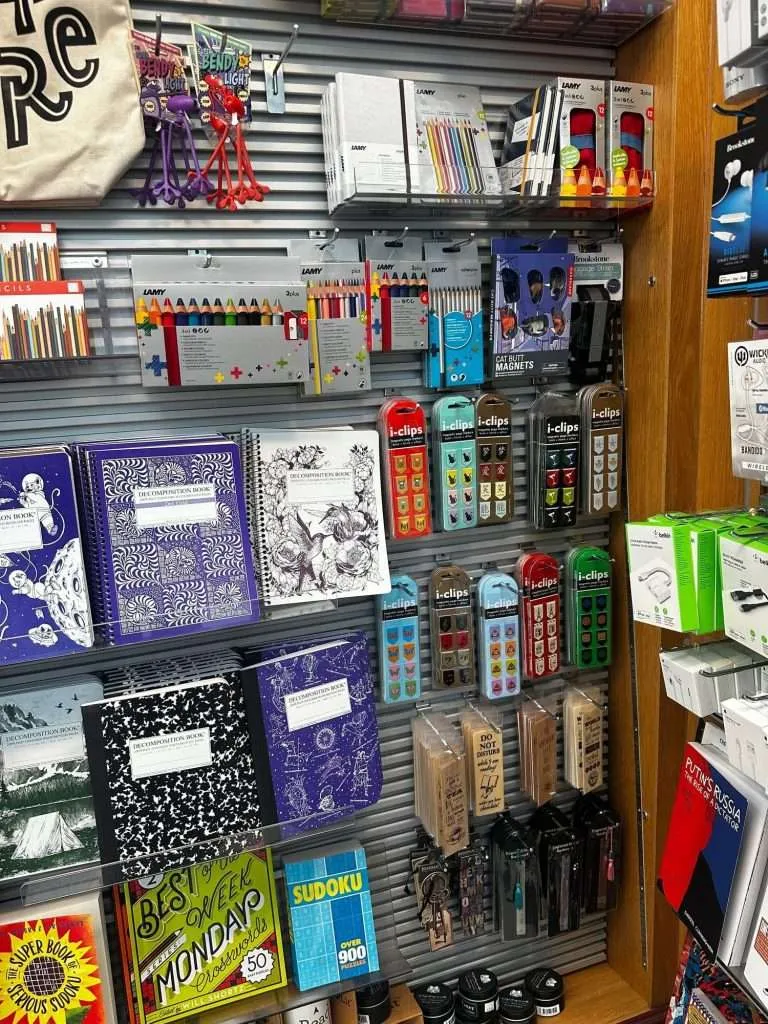
Most custom display work gets to define its own world: a countertop unit owns its footprint, a floor display owns its square foot of tile. Fixtures for the shelf run don’t get that luxury. Shelf-edge signs, dividers, trays, and endcap headers live inside a shelving system the brand doesn’t control — gondola uprights on their set pitch, shelves at their set depth, a shelf-edge channel with its own profile, and a retailer with opinions about all of it. Designing the fixture is the easy half; fitting it to the system it clips into is where these projects are won or lost.
The constraint: you’re building into someone else’s system
Store shelving is modular infrastructure, standardized within a chain and varied across chains — and sometimes varied within one chain across remodel generations. A fixture that fits the system at headquarters’ planogram room can meet a different channel profile in stores that were fitted out a decade apart. So the specification problem isn’t “design a sign holder”; it’s “design a sign holder that engages this channel, on this shelf, under this retailer’s rules.” That last part is real: many retailers regulate what may hang off a shelf edge, how far a fixture may project into the aisle, and what the price-label rail must keep visible — the vendor-guide homework covered in designing to the retailer’s vendor guide applies at shelf scale too.
What to measure and send
The RFQ for a shelf-system fixture is mostly a measuring exercise, and a short one:
- Shelf depth and vertical pitch — the fixture’s envelope, and the headroom a riser or topper actually has between shelves.
- The edge-channel or clip profile — the engagement geometry: what the fixture grips, slides into, or hooks over.
- Endcap width and shelf length — for headers, toppers, and anything that spans.
- The retailer’s shelf-edge rules — projection limits, label-rail visibility, anything the vendor guide says may or may not attach.
On the channel profile, the ranking of evidence is absolute: a physical sample clip beats any picture. A photo flattens exactly the geometry that matters — the lip depth, the spring of the channel, the radius a clip has to clear. We can quote from a photo or a sample, and for engagement features the sample is the one to put in the envelope: send a cut-off length of the channel or a spare clip with the RFQ and the fit conversation starts from the real part instead of a guess about it. A photo with a tape measure in frame is the fallback when nothing can be pulled from a store; the general workflow is quoting from a photo or reference piece.
The fixture families
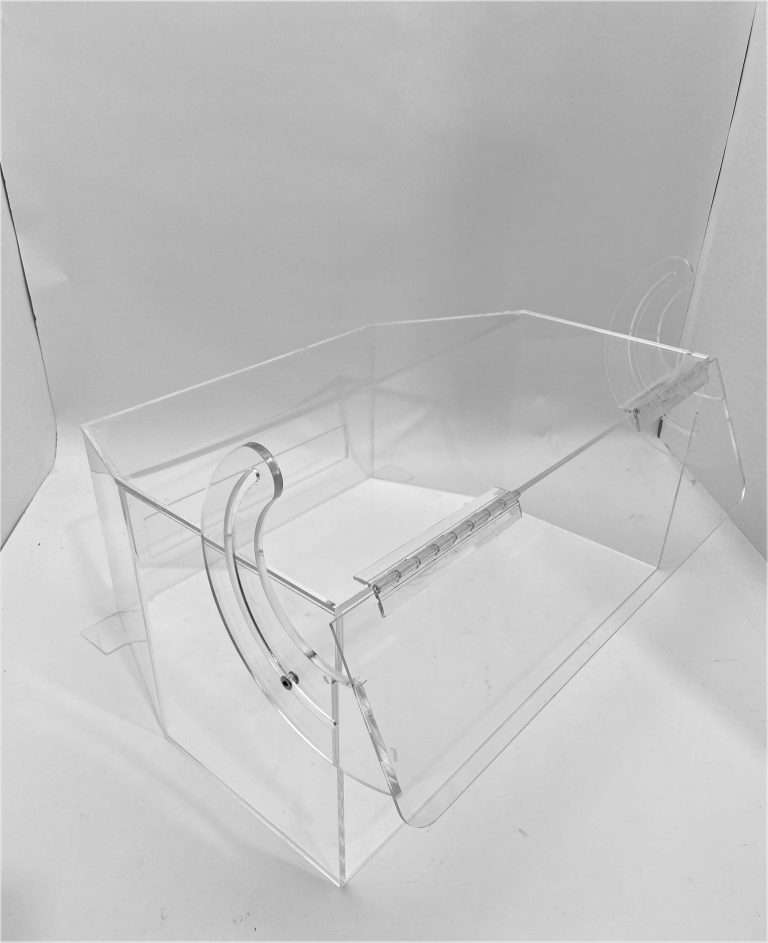
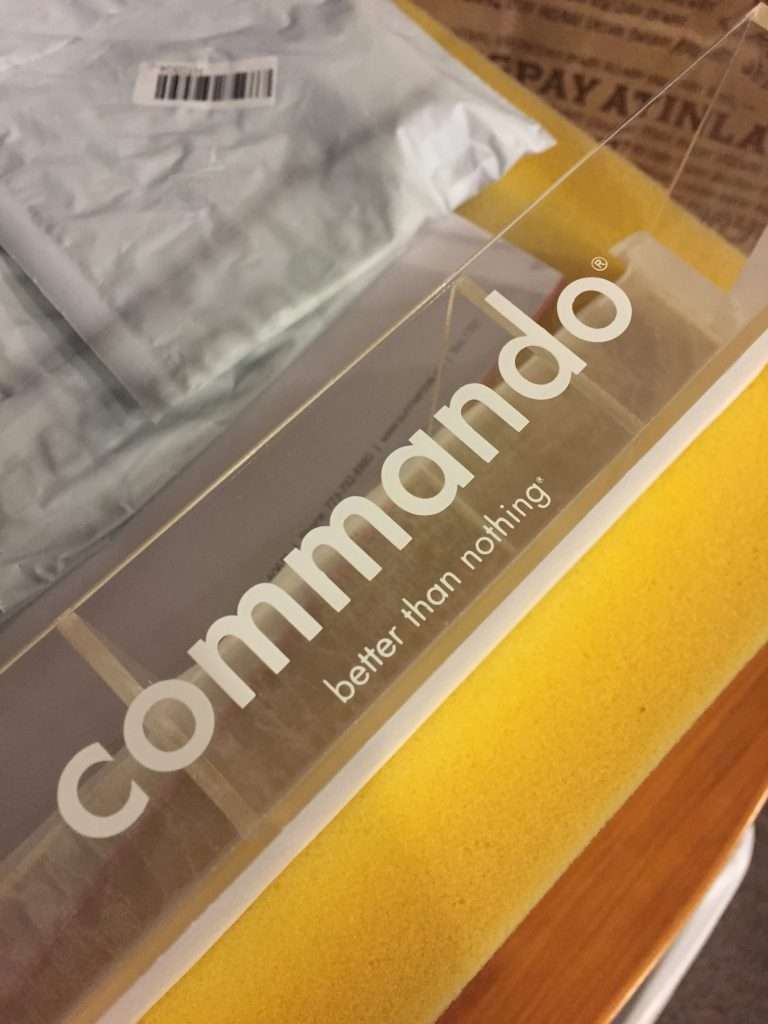
Shelf-edge signs and talkers — the channel-engaged print carriers, where the whole part is one engagement feature plus a graphic face. Shelf dividers and end stops — organization hardware that has to sit square, survive restocking, and come off for resets without drama. Shelf trays and bins — contained merchandising on an open shelf, where front-lip height is a negotiation between product visibility and product retention. Endcap headers and toppers — the brand moment, spanning the endcap and engaging the uprights or the top shelf, where the mounting is usually where the engineering lives. Material and edge choices follow use: clear faces where product shows through, printed or colored where the brand reads, and edges finished to where the shopper’s eye and hand actually go — the finish-grade logic in POP display finish grades.
Fit is a tolerance conversation
A clip that engages a channel is a mechanical fit, and it behaves like one: too tight and the fixture fights the installer or stresses at the engagement point; too loose and it rattles, walks, or droops off level. Specifying it means saying what the fit must do — snap in by hand, hold against a restocking bump, come off without tools — and putting a tolerance callout on the engagement feature alone, with the rest of the part riding the general ranges of our published Fabrication Tolerances standard. Remember the system side wanders too: the fixture is toleranced, the decade of shelving it meets is not, which argues for engagement designs with some built-in forgiveness — a flexing clip rather than a rigid slot sized to one perfect channel. And the clip’s material is part of that spec: a feature that flexes for a living may want a tougher plastic than the display face, a call worth making at the quote. The display-side version of this thinking is in POP display tolerances and product-fit tolerances.
Before the run: test doors
For a program headed to hundreds of doors, the cheapest insurance in retail is a handful of pilot stores — ideally spanning remodel generations, old fit-out and new. A test batch surfaces the shelving variation, the installer confusion, and the one retailer rule nobody read, all while changes still cost a revision instead of a re-run. It’s the same first-article logic that governs any volume program, applied to the store instead of the shop: prove the fit where it has to live, then commit the fleet — the production side of that commitment is covered in designing POP for volume runs.
The shelf run is the least glamorous real estate in retail and some of the hardest-working. Measure the system, send the sample clip, tolerance the engagement feature and nothing else, pilot a few doors — and the fixture does what shelf fixtures are supposed to do: click in, hold on, and sell. Program-scale context lives at retail & POP displays.