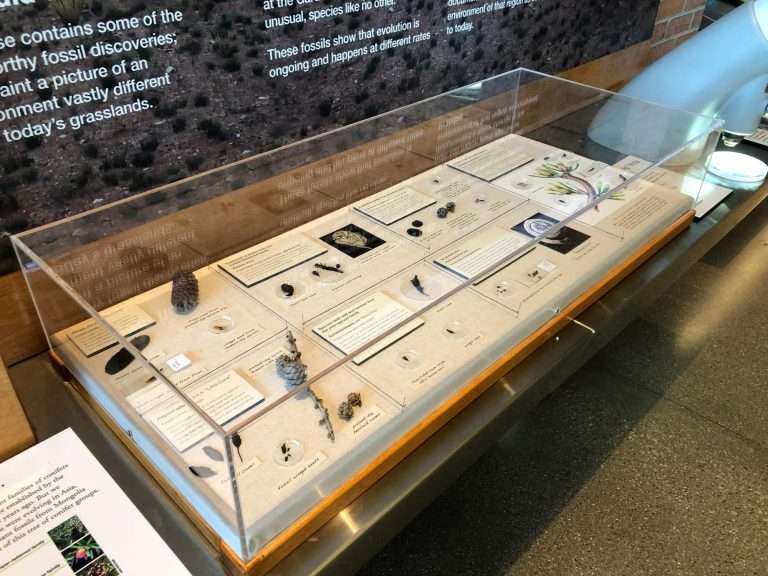
A vitrine built for one gallery gets assembled once, by people who can take an afternoon over it. A traveling exhibition case gets assembled, dismantled, crated, trucked and reassembled at every venue on the tour — by a different crew each time, on an install schedule, with the registrar watching. Those are different machines that happen to look alike, and a single-venue design sent traveling is carrying a brief it was never given. What touring changes is not the quality bar; it is the design brief itself.
Two construction philosophies, chosen by itinerary
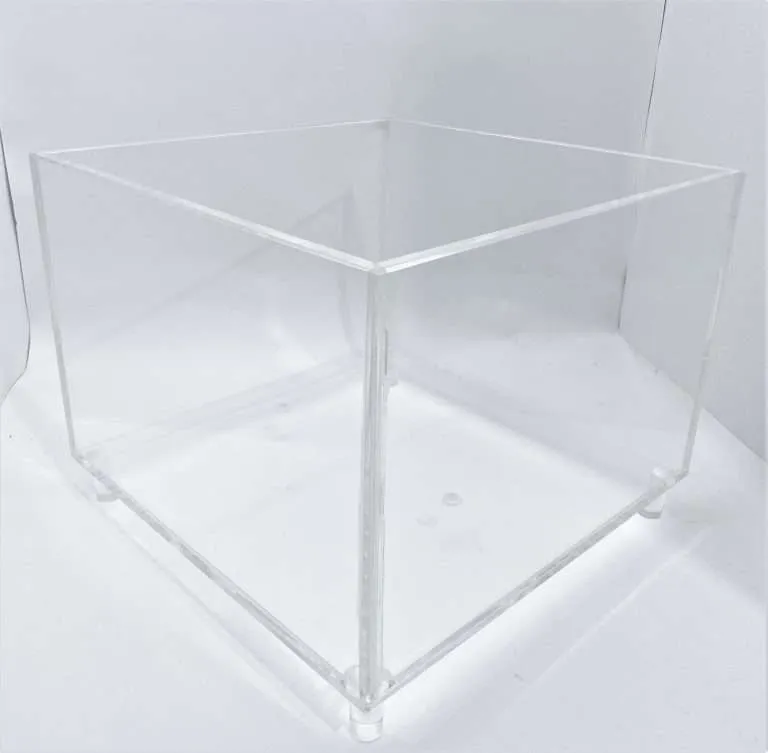
For a case that assembles once, bonded construction is the natural answer: solvent-bonded joints make the case body effectively one piece — the cleanest sightlines, no hardware in view, maximum rigidity. The craft of making those joints disappear is its own discipline, covered in joint clarity for bonded vitrines.
Touring inverts the logic. A case that must come apart and go back together across a tour needs that capability designed in: mechanical joints and splittable assemblies where the single-venue case would be bonded once — or a hybrid, with bonded sub-assemblies (a one-piece cover, say) connecting through designed mechanical interfaces. Knock-down is not a downgrade; it is a different specification with its own craft, and the general trade-offs are laid out in fastening vs bonding. What decides between the philosophies is the itinerary, so the itinerary belongs in the RFQ: a case quoted for one venue and then sent on tour is carrying joints that were never meant to be undone.
Repeatability: the tenth install should fit like the first
On tour, a virtue reshuffle happens that surprises first-time organizers: consistent, matched components matter more than squeezing out the last increment of finish grade. A case that assembles the same way every time — components machined to consistent tolerances, interchangeable where they can be and clearly labeled where they cannot — gets installed correctly by a crew that has never seen it, inside the install window, every venue. A case of hand-fitted one-off parts gets installed correctly exactly once, at the venue where its maker was standing. The practical package: machining held to published ranges (ours are in the Fabrication Tolerances standard), permanent component labeling keyed to assembly documentation, and an assembly sequence a stranger can follow. Design doctrine for the whole exhibit — not just the cases — runs the same direction, as covered in designing exhibits for repeat shows.
Spares: buy them with the run, not mid-tour
Think about which components actually take the abuse: covers and anything with corner exposure ride closest to trouble in handling and transit, while bases and captured internals ride protected inside the crate. The case for ordering identified spares with the initial fabrication run is straightforward economics and scheduling: spares made with the run come off the same setups, from the same material lot, matched to their cases — and they are on the shelf when a cover comes out of a crate wrong at venue four. A replacement ordered mid-tour is a new fabrication start competing with a live install date, with freight to wherever the tour happens to be. Decide the spares list when you decide the case list, and label the spares into the same documentation system. Mid-run damage on the trade-show side tells the same story — mid-season repairs and replacements.
The crate interface: settle who owns the fit
A touring case lives in its crate more than it lives on display, so the case-to-crate fit is part of the case design, not an afterthought at the dock. Where a professional crater builds the crates, fabricating to known crate interior dimensions — or crating to known case dimensions — is a coordination point to settle early, in writing: fabricator, crater and registrar each believe someone else owns that interface until a case does not fit its crate the week of first shipment. Protective masking stays on through fabrication wherever the work allows and travels with the work, so unmasking belongs in the install plan, not at receiving. And for a case that will be crated and uncrated a dozen times, a crate or case built to be reused — engineered for the piece, loaded the same way every cycle — earns its cost across the tour; the wider practice is in exhibit crating and shipping, and the registrar’s pre-order questions in registrar questions before ordering cases.
The schedule math that protects venue one
Work the dates backward and the real deadline appears: venue-one opening, minus install, minus transit, minus crating and load-out — that is the day fabrication must be complete, and it is always earlier than the opening-fixated version of the plan assumes. Two honest boundaries make that math trustworthy. Transit belongs to the carrier: no fabricator controls it, and no one should promise a delivery day. Completion belongs to the shop — and a completion date is the thing that can be guaranteed: Reserved Production allocates dedicated capacity for a guaranteed manufacturing completion date, counted from payment and priced on the quote, when the schedule can support it. For a tour whose venue-one date was negotiated with lenders and announced to members, anchoring the fabrication-complete milestone that way — and leaving honest margin for the crating and transit legs nobody can guarantee — is what the Production Scheduling standard is for.
Touring work rewards exactly the kind of planning museums are already good at: explicit interfaces, documented assemblies, named owners for every handoff. Bring the itinerary, the install windows and the crate plan to the fabrication conversation at the start, and the case that opens venue one will still be opening venues at the end of the tour — the full specification groundwork is in the museum display case guide.